

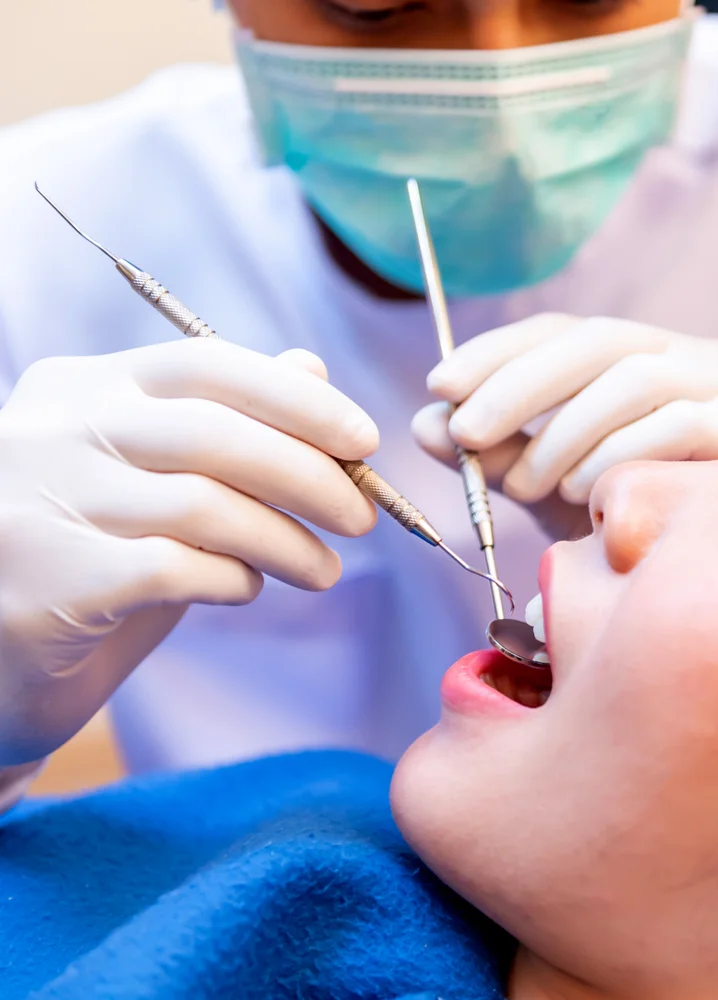
People generally do not consider their teeth unless there is some pain. At that stage, the simple solutions are out of the window, and all that remains are the expensive ones. It’s a strange blind spot, considering how much we rely on our teeth every single day – to eat, to speak, to smile without a second thought.
Most people wouldn’t ignore a strange noise coming from their car for months on end, yet they’ll let a dull ache in a molar go unchecked for years. The mouth doesn’t get the same attention until it forces the issue, and by then, the bill – and the discomfort – has grown considerably.
The Real Cost Comparison
Regular cleanings and exams catch these developments while they’re still minor – or prevent them from happening altogether. For example, regular cleanings remove plaque and tartar, which would otherwise cause cavities and gum disease. If left untreated, gum disease alone is a big predictor of lost teeth. Treated early, it’s easily stabilized.
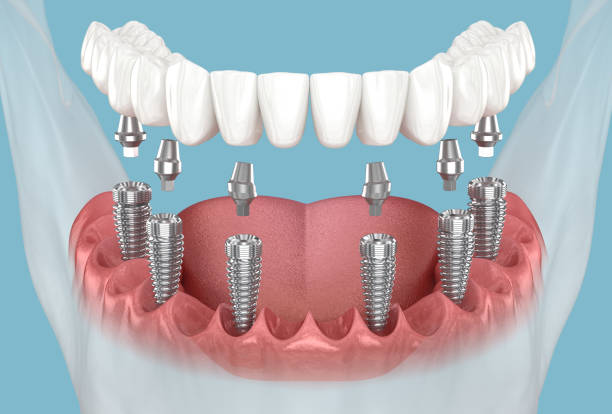
Don’t just multiply the cost of a routine appointment by what you think of as two average appointments a year. Multiply it by the cost of a root canal – or a set of dentures for that matter. Assess the real cost of prevention vs. repair. We’re betting the dentist wins every time.
How Small Problems Compound Into Expensive Ones
There is a pattern in the field of restorative dentistry that not many people are aware of. As soon as a tooth receives its first filling, the structure of the tooth is compromised. Eventually, that filling might break, deteriorate, or even lead to new decay around it, which means you’ll need a larger filling. A larger filling will put more pressure on the tooth, eventually leading to the need for a crown. If bacteria spread to the pulp before the crown is placed, then you’ll also need a root canal before the crown.
So, the tooth that could have been saved by a simple sealant or fluoride treatment when you were 25, now at 45, has gone through three or four increasingly complex procedures. Each step costs more money and requires the removal of more healthy tooth structure. And once you get on this path, you can’t turn back.
Dental sealants are low-cost resin coatings that can be applied to the molars’ grooves at the back of your mouth and they can last for years. They are a direct barrier between the tooth’s surface and bacteria and are where most cavities develop. Fluoride treatment is even more effective as it helps with the remineralization process before a cavity can even develop. These treatments don’t involve drilling or anesthesia. They are as close as you can get to a free ride with dentistry, yet many people avoid them.
What You Don’t Know Is Hurting You
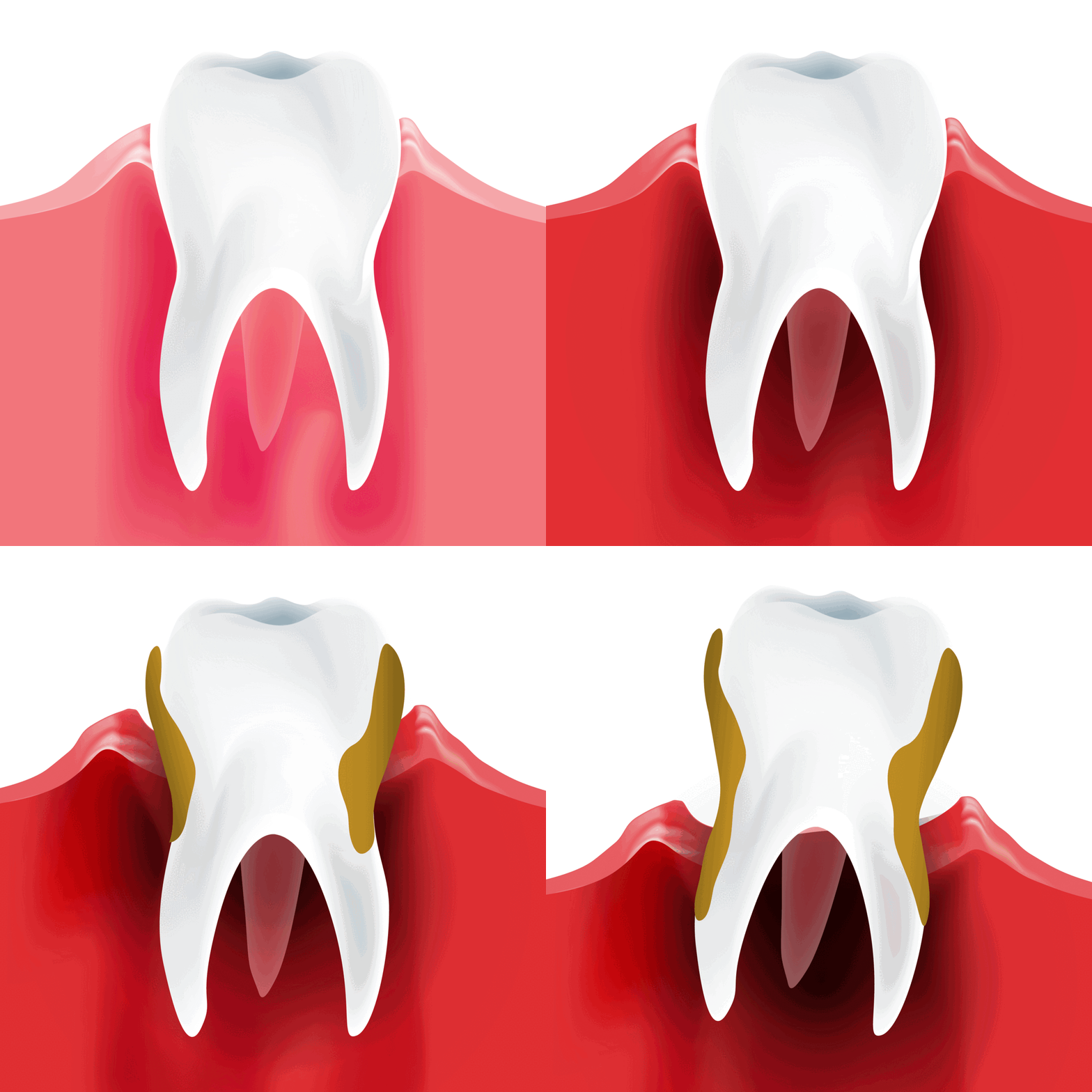
Periodontal disease can hide really well. When it’s in the early gingivitis stage, where gums may bleed slightly during brushing, most people change their pressure or ignore it entirely. If untreated, that slowly progresses to periodontitis, where the bone structure supporting the teeth is being destroyed. Treatment at that stage means scaling and root planing, maintenance visits for the rest of your life, and potentially even surgery.
This is why little bitewing X-rays here or there during routine exams matter. They catch interproximal decay and early bone loss before either is visible or symptomatic. A dentist looking at films like those can actually do something about the problem at the formative ‘demineralized patch’ stage, rather than waiting and having to fix a full cavity with a restoration.
Finding a practice you trust to do those things on the regular and keep track of changes over time is what actually makes preventive dentistry work. For people who are interested in getting that kind of relationship rolling with a prevention-focused provider, you can’t go wrong by looking into a team like Legacy Smiles in Orlando. Their focus on not letting those minor issues turn into major emergencies truly speaks for itself.
The Systemic Angle Most People Miss
Oral bacteria can spread to other parts of the body. Infections in the mouth can lead to greater overall inflammation, affecting distant organs and systems. For example, the teeth and gums are usually the source of infections that directly enter the bloodstream; and studies show that oral bacteria and inflammation contribute to chronic degenerative diseases including diabetes, cardiovascular, and respiratory diseases.
Gum disease increases systemic inflammation, which is indicated in conditions like heart attacks, strokes, and Alzheimer’s. There are also links between oral health and pregnancy outcomes, autoimmune diseases, and even cancer. Cleanings can protect and preserve the whole body by removing bacteria from the mouth, which makes it impossible for them to enter the bloodstream where they can travel throughout the body and cause harm.
The Anxiety Cycle That Keeps People Away
There’s a reason so many people end up in the “pain first, treatment second” trap, and it’s not just neglect – it’s often fear. Dental anxiety is remarkably common, and it creates a frustrating loop: someone avoids the dentist because a past visit was unpleasant or they dread bad news, which allows small problems to progress silently, which eventually leads to a visit that requires more invasive treatment, which reinforces the original fear.
Breaking that cycle usually comes down to finding a provider who takes the anxiety seriously and getting back into a routine of low-stakes visits. A cleaning and exam is a fundamentally different experience than a procedure done to fix a problem that’s already caused damage – and the more routine the visits become, the easier it is to catch issues while they’re still minor, painless, and inexpensive to treat.
What Happens At Home Still Matters Most
While professional care is essential and a good investment, maintenance between visits is ultimately what prevents oral disease. Plaque, the sticky substance of mouth bacteria that causes caries and gum issues, can form within as little as 4 to 12 hours. Brushing for two minutes twice a day, carefully flossing between your teeth at least once a day and limiting sugary or acidic snacks and drinks will interfere with their metabolism – before your enamel even has a chance to remineralize.
Prevention doesn’t require perfection. It requires consistency – and starting before something goes wrong.













Leave a Reply