


Healthcare systems around the world are becoming more advanced, yet many patients still struggle to access timely treatment. Delays in approvals, complicated insurance requirements, lack of communication, and limited support resources can create frustration for both patients and healthcare providers. This is why smarter patient access services are becoming increasingly important in modern healthcare environments.
Patient access services focus on simplifying the process of connecting patients with treatments, medications, specialists, and support programs. When designed effectively, these services help reduce delays, improve communication, and ensure patients receive the care they need without unnecessary complications. As healthcare continues to grow more specialized, smarter patient access solutions are playing a major role in improving treatment availability across many medical fields.
The Purpose Of Patient Access Services
Patient access services are designed to guide individuals through the healthcare process from the very beginning. These services often include appointment scheduling, insurance verification, financial assistance coordination, patient education, prescription support, and treatment enrollment assistance.
In many healthcare systems, patients may feel overwhelmed by the number of steps required before starting treatment. Insurance approvals alone can create long waiting periods, especially for specialty medications or advanced therapies. Smarter patient access services help simplify these steps by creating more organized and efficient workflows.
Healthcare providers also benefit from improved coordination. When patient access systems work efficiently, administrative burdens become easier to manage, allowing medical professionals to focus more on delivering quality care rather than handling paperwork and logistical challenges.
Reducing Delays In Treatment Availability
One of the biggest advantages of smarter patient access services is the reduction of treatment delays. Delayed care can negatively impact patient outcomes, particularly for individuals with chronic illnesses, rare diseases, or progressive conditions that require immediate attention.
Modern patient access systems use technology and dedicated coordination teams to accelerate approval processes and improve communication between healthcare providers, insurers, pharmacies, and patients. Digital tools can automate insurance verification, monitor authorization progress, and provide real-time updates that reduce uncertainty.
This streamlined approach helps patients begin therapies sooner. Faster treatment availability not only improves patient satisfaction but may also increase the effectiveness of care by minimizing interruptions and unnecessary waiting periods.
Improving Communication Across Healthcare Networks
Healthcare often involves multiple parties working together, including physicians, specialists, insurance companies, pharmacies, hospitals, and support organizations. Without proper coordination, communication gaps can easily occur.
Smarter patient access services improve communication by creating centralized systems that allow all stakeholders to stay informed throughout the treatment process. This ensures that documentation is completed accurately, approvals are tracked efficiently, and patients receive clear guidance at every stage.
For patients, better communication can significantly reduce stress and confusion. Many individuals struggle to understand healthcare terminology, insurance policies, or treatment procedures. Patient support teams can provide education and personalized assistance that helps patients feel more confident about their care decisions.
Supporting Patients Through Financial Challenges
Treatment affordability remains one of the largest barriers to healthcare access. High medication costs, insurance limitations, and out-of-pocket expenses can prevent patients from starting or continuing important therapies.
Smarter patient access services often include financial navigation programs that help individuals identify available assistance options. These may include manufacturer support programs, co-pay assistance, reimbursement guidance, or alternative funding resources.
By helping patients better understand their financial options, healthcare organizations can improve treatment adherence and reduce the likelihood of interrupted care. Financial support coordination also strengthens trust between patients and healthcare providers because patients feel supported rather than overwhelmed by costs.
Using Technology To Improve Patient Experiences
Technology is transforming the way patient access services operate. Artificial intelligence, automation platforms, electronic health records, and digital communication systems are making healthcare processes faster and more accurate.
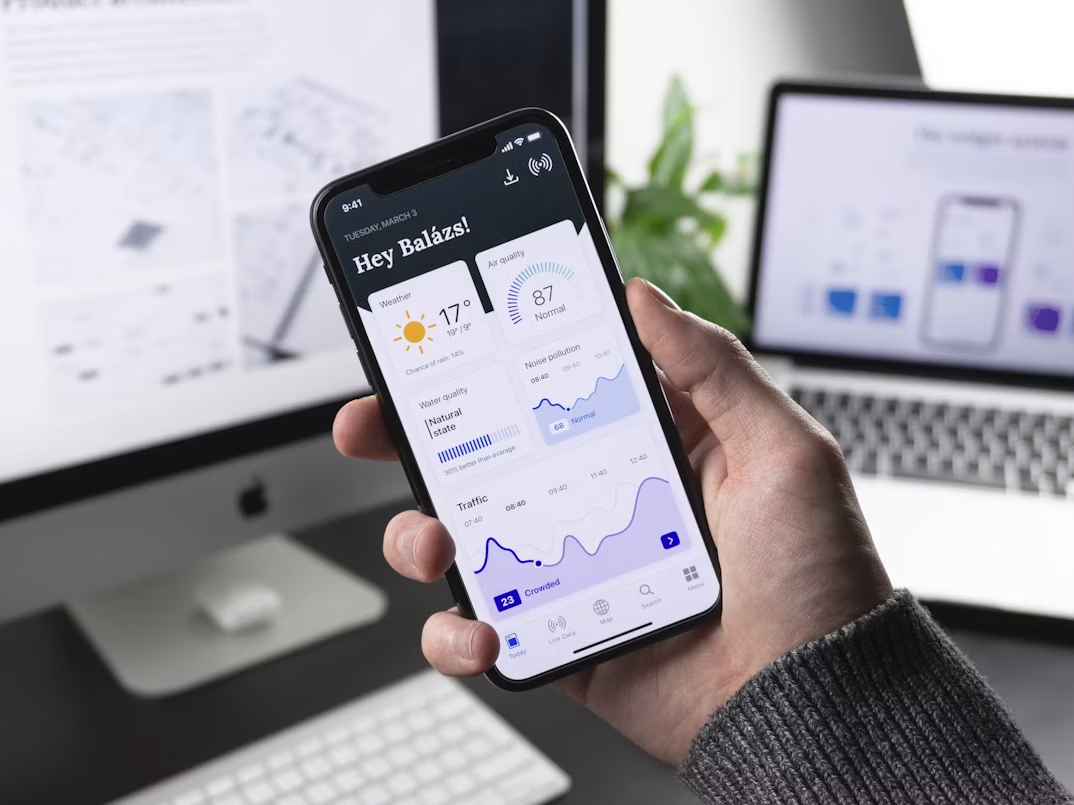
Online portals now allow patients to schedule appointments, upload documents, track authorizations, and communicate with care teams more conveniently than before. Automated systems can also identify missing information early, preventing delays that may occur due to incomplete paperwork.
Data analytics is another important advancement. Healthcare organizations can analyze patient access trends to identify bottlenecks, improve workflows, and allocate resources more effectively. As a result, patient support systems become more effective and customized.
Despite the rise of digital tools, human interaction still remains essential. The most successful patient access programs combine advanced technology with compassionate support teams that understand the emotional and practical challenges patients may face.
The Growing Importance Of Specialized Access Solutions
As medical treatments become more advanced, patient access services are also becoming more specialized. Certain therapies, particularly those related to rare diseases, complex conditions, or personalized medicine, often require additional coordination and expertise.
Specialized patient access programs help navigate regulatory requirements, treatment education, specialty pharmacy coordination, and ongoing monitoring needs. These tailored services are especially valuable for patients facing complicated healthcare journeys that involve multiple providers and long-term treatment plans.
Healthcare organizations that invest in smarter patient access solutions are better positioned to improve patient outcomes while also increasing operational efficiency. By reducing delays, improving communication, and supporting patients financially and emotionally, these services create a stronger healthcare experience for everyone involved.
Conclusion
Improving treatment availability requires more than advanced medicine alone. Patients also need clear guidance, efficient coordination, financial support, and reliable communication throughout their healthcare journey. Smarter patient access services are helping healthcare organizations remove barriers that have traditionally delayed or complicated treatment access. As healthcare systems continue to evolve, patient-centered access solutions will become even more important. Organizations that prioritize smarter patient access strategies can improve patient satisfaction, strengthen treatment outcomes, and create a more efficient healthcare environment that benefits both providers and patients alike.













Leave a Reply