

Key Takeaways
- Early Detection of Dental Problems: An orthodontic team can identify developing alignment and bite concerns early, helping patients understand their treatment options.
- Modern Orthodontic Technology: Digital scans and advanced treatment planning can support more precise and personalized orthodontic care.
- Customized Treatment Options: Patients can explore braces, clear aligners, and other appropriate solutions based on their individual dental needs.
- Affordable Treatment Opportunities: Insurance verification and flexible payment arrangements may help families manage orthodontic expenses.
- Comprehensive Oral Health Support: Professional orthodontic care focuses on tooth alignment, bite function, and maintaining results after treatment.
1. Early Detection and Prevention of Orthodontic Problems
One of the biggest benefits of choosing an orthodontic team in Roseburg is the opportunity to identify dental alignment problems before they become more complicated. Children’s teeth and jaws continue to develop as they grow, making early orthodontic evaluations valuable for identifying concerns such as crowding, spacing, and bite irregularities.
The American Association of Orthodontists recommends that children receive their first orthodontic checkup by age seven. During this evaluation, an orthodontic professional can assess dental development and determine whether early treatment, monitoring, or a later appointment is appropriate.
Early intervention does not mean every child needs braces immediately. Instead, it helps parents understand their child’s dental development and make informed decisions about future care.
The benefits of early orthodontic evaluations may include:
- Better treatment planning: Identifying potential problems helps determine the appropriate timing for treatment.
- Improved bite development: Certain orthodontic interventions can address specific bite and jaw concerns while a child is growing.
- Potentially simpler treatment: Managing selected problems early may reduce the complexity of future orthodontic procedures.
- Greater confidence: Addressing visible alignment concerns can help children feel more comfortable with their smiles.
For families in Roseburg, early assessments provide an opportunity to plan for their children’s oral health and address orthodontic concerns when professional intervention may be most beneficial.
2. Access to Modern Orthodontic Technology
Modern orthodontic technology has made treatment planning more precise and personalized. Choosing an orthodontic team that uses appropriate diagnostic tools can help patients better understand their dental concerns and available treatment options.
Technologies such as digital scans, 3D imaging when indicated, and computer-assisted treatment planning allow orthodontic professionals to examine teeth and bite relationships in greater detail. These tools can support more individualized treatment plans and help patients visualize potential outcomes.
More Comfortable Treatment Options
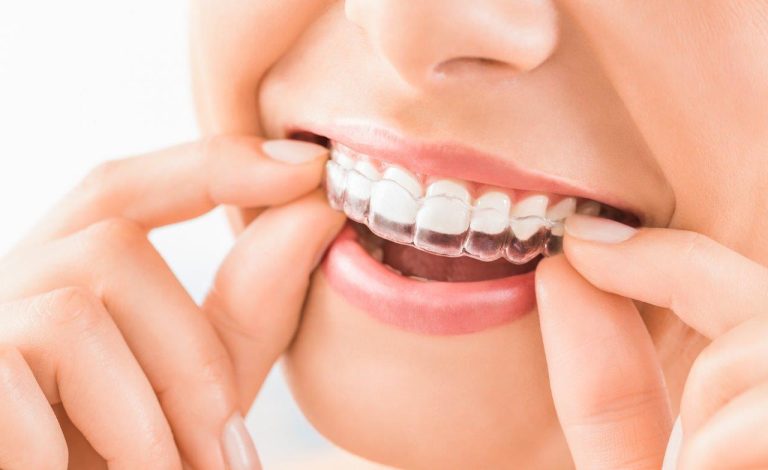
Traditional braces remain effective for many alignment and bite problems. However, clear aligners have also become a popular option for eligible patients who prefer a less noticeable appliance.
Because clear aligners are removable, patients can take them out when eating and brushing their teeth. Nevertheless, successful treatment requires consistent wear, proper cleaning, and regular progress checks.
Before selecting an orthodontic treatment, patients should discuss:
- The expected duration of treatment.
- The advantages and limitations of braces and clear aligners.
- The recommended daily wear time for aligners.
- The importance of maintaining good oral hygiene.
- The schedule for follow-up appointments and adjustments.
An experienced orthodontic professional can explain which options are suitable for each patient’s needs. This guidance helps patients make informed choices while working toward a healthier, more confident smile.
3. Personalized Care for Children, Teens, and Adults
Every patient has different orthodontic needs. Some individuals may require treatment for crowded teeth, while others may need help addressing spacing, overbites, underbites, or crossbites. Age, existing dental restorations, gum health, and jaw development can also influence treatment recommendations.
Choosing an experienced orthodontic team Roseburg patients can consult provides an opportunity to receive individualized guidance throughout the treatment process, from the initial assessment to follow-up appointments.
Treatment Plans Based on Individual Needs
For children, orthodontic care may focus on monitoring dental development and addressing selected problems early. Teenagers may benefit from traditional braces or clear aligners, depending on their circumstances. Adults can also pursue orthodontic treatment, although existing dental work and oral health conditions may require additional consideration.
A personalized treatment plan helps ensure that recommendations reflect the patient’s dental condition, lifestyle, and treatment goals.
Ongoing Guidance and Support
Orthodontic care involves more than fitting braces or providing aligners. Patients also need instructions on appliance care, oral hygiene, dietary considerations, and managing temporary discomfort.
Regular appointments allow the orthodontic team to monitor progress and make adjustments when necessary. Patients can also discuss concerns and receive guidance on maintaining healthy teeth throughout treatment.
This ongoing support can make the orthodontic experience more organized and help patients understand what to expect at each stage.
4. Affordable and Accessible Orthodontic Care
The cost of orthodontic treatment is an important consideration for many families. Choosing a provider who clearly explains treatment fees, insurance coverage, and available payment arrangements can make financial planning easier.
Understanding Insurance and OHP Options
Families in Roseburg may wish to ask whether an orthodontic practice accepts their dental insurance or works with the Oregon Health Plan (OHP). However, coverage depends on eligibility, applicable program requirements, and the specific treatment being considered.
Patients should confirm their benefits directly with their insurance plan and prospective provider before beginning treatment.
During a consultation, families can request a breakdown of expected expenses, including examinations, diagnostic records, orthodontic appliances, follow-up visits, and retainers.
Flexible Payment Arrangements
For families without applicable insurance coverage, some orthodontic practices may offer payment plans or financing options. Availability and terms vary, so patients should carefully review the details before making a decision.
When discussing affordability, consider asking about:
- Monthly payment plans: These may help spread treatment expenses over an agreed period.
- Initial deposits: Understanding upfront costs helps families prepare financially.
- Insurance benefits: Confirming coverage clarifies which expenses may remain the patient’s responsibility.
- Written cost estimates: Detailed estimates make it easier to compare treatment options and anticipate additional expenses.
Affordable orthodontic care should still prioritize professional qualifications, appropriate treatment planning, and patient safety. Discussing costs in advance allows families to choose an option that fits their budget and dental needs.
5. Comprehensive Support for Long-Term Oral Health
Orthodontic treatment offers benefits beyond improving the appearance of a smile. Properly aligned teeth and an improved bite can support oral function and may make certain areas easier to clean. These benefits work best when combined with consistent brushing, flossing, and regular dental checkups.
Addressing Bite Problems and Jaw Concerns
Some patients experience bite-related difficulties, jaw discomfort, or other concerns that may require further evaluation. An orthodontic professional can assess tooth alignment and bite relationships to determine whether orthodontic treatment may be appropriate.
However, not all jaw pain, headaches, or temporomandibular joint (TMJ) disorders are caused by dental misalignment. A proper assessment is necessary to identify potential causes and determine whether additional dental or medical care is needed.
Some patients may also benefit from referrals for other services, depending on their symptoms and individual circumstances.
Maintaining Results After Treatment
Orthodontic care does not end when braces are removed or aligner treatment is completed. Teeth can shift over time, which is why retainers are commonly recommended to help maintain the results.
Patients should follow their orthodontist’s instructions regarding retainer wear, oral hygiene, and follow-up visits. Continuing routine dental examinations and professional cleanings is also important for protecting long-term oral health.
By combining appropriate orthodontic treatment with consistent aftercare, patients can work toward maintaining their results and enjoying the benefits of a healthier smile.
How to Choose the Right Orthodontic Team in Roseburg
After understanding the benefits of orthodontic care, patients should consider several factors when selecting a provider.
- Professional qualifications: Review the orthodontist’s education, credentials, and relevant clinical experience.
- Available treatment options: Ask about braces, clear aligners, and other treatments appropriate for your needs.
- Communication and support: Choose a team that explains procedures, answers questions, and provides clear aftercare instructions.
- Treatment costs: Request a detailed estimate and verify insurance coverage or financing terms.
- Appointment convenience: Consider the practice’s location, scheduling options, and requirements for regular visits.
Comparing these factors can help patients find an orthodontic provider whose approach aligns with their expectations, budget, and oral health goals.
FAQ
What Qualifications Should I Look for When Choosing an Orthodontic Team?
Look for appropriate professional credentials, relevant experience, clear communication, and a commitment to continuing education. You can also review patient feedback and ask about the treatment options available for your specific dental concerns.
How Can Orthodontic Treatment Help My Child?
Orthodontic treatment may address problems such as crowded teeth, spacing, and bite irregularities. Early evaluations help determine whether treatment is needed and when it may be most appropriate.
Can Adults Benefit From Orthodontic Treatment?
Yes. Adults can receive orthodontic treatment at different ages. However, gum health, existing dental restorations, bone support, and other oral health factors should be assessed before treatment begins.
Does the Oregon Health Plan Cover Orthodontic Treatment?
Coverage depends on the patient’s eligibility, program requirements, and the clinical criteria for the proposed treatment. Contact your OHP plan and prospective provider to confirm whether a particular service is covered.
How Often Should I Visit My Orthodontist During Treatment?
Many patients attend appointments approximately every four to eight weeks, although the schedule varies depending on the appliance, treatment stage, and individual needs. Your orthodontic team will recommend an appropriate schedule.
What Foods Should I Avoid With Braces?
Patients with traditional braces are generally advised to avoid hard, sticky, and chewy foods that may damage brackets or wires. Softer foods may also be more comfortable after adjustments. Patients using clear aligners should remove them before eating and follow their provider’s cleaning instructions.
How Can I Manage Discomfort During Orthodontic Treatment?
Mild soreness may occur after braces are adjusted or when starting a new set of aligners. Following your orthodontist’s instructions, eating softer foods temporarily, and maintaining good oral hygiene may help. Contact your provider if discomfort is severe or persistent.
Why Are Retainers Important After Orthodontic Treatment?
Retainers help maintain tooth alignment after braces or aligner treatment. Following the prescribed wearing schedule and attending recommended follow-up visits can help reduce the risk of unwanted tooth movement.








Leave a Reply