

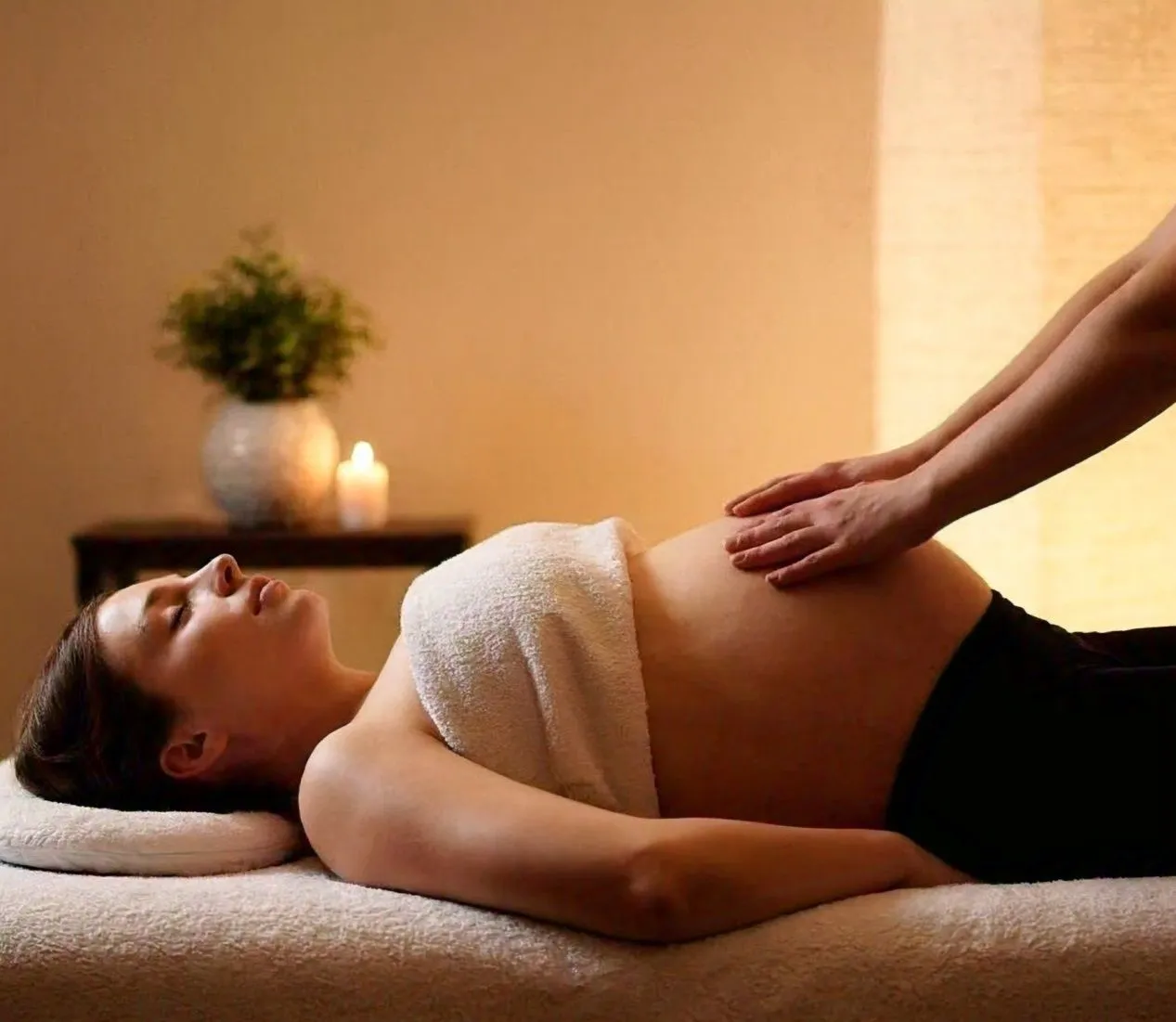
Pregnancy is a remarkable period of growth and transformation, yet it also places unique physical and emotional demands on the body. As posture shifts, hormones fluctuate, and energy levels change, intentional wellness practices become essential. Prenatal massage has emerged as a highly regarded therapeutic approach designed specifically to support expectant mothers through each stage of pregnancy while prioritizing safety, comfort, and holistic wellbeing.
Unlike general massage therapy, prenatal massage addresses the physiological changes that occur during pregnancy using specialized techniques and positioning. When performed by trained professionals, this therapy supports relaxation, reduces discomfort, and encourages a more balanced pregnancy experience from the inside out.
Understanding Prenatal Massage and Its Role in Maternal Wellness
Prenatal massage is a form of therapeutic bodywork adapted exclusively for pregnancy. Techniques are modified to accommodate a growing abdomen, shifting center of gravity, and increased joint flexibility. Sessions are tailored to each trimester, ensuring comfort while supporting both physical and emotional health.
This form of massage therapy focuses on gentle, rhythmic movements that enhance circulation, ease muscular tension, and support the nervous system. Attention is placed on areas most affected by pregnancy, including the lower back, hips, legs, neck, and shoulders.
How Prenatal Massage Differs From Traditional Massage Therapy
Prenatal massage differs from standard massage in several important ways:
- Positioning avoids pressure on the abdomen and lower back
- Pressure levels are adjusted to accommodate increased sensitivity
- Specialized bolsters and cushions support proper alignment
- Techniques focus on relaxation rather than deep tissue intensity
These adaptations ensure prenatal massage remains safe and effective throughout pregnancy.
Physical Benefits of Prenatal Massage
The physical demands of pregnancy can lead to discomfort as the body adapts to support fetal growth. Prenatal massage helps address these challenges by supporting musculoskeletal balance and circulation.
Relief From Back, Hip, and Pelvic Discomfort
Lower back and hip discomfort are among the most common concerns during pregnancy. Changes in posture and weight distribution place additional strain on muscles and joints. Prenatal massage helps release tension, support proper alignment, and reduce pressure in these areas.
Improved Circulation and Reduced Swelling
Fluid retention and circulatory changes can lead to swelling in the feet, ankles, and legs. Gentle massage techniques promote healthy blood flow and lymphatic drainage, supporting the body’s natural detoxification processes.
Muscle Relaxation and Reduced Cramping
Muscle cramps, particularly in the legs, may occur due to changes in circulation and mineral balance. Prenatal massage encourages muscle relaxation, helping reduce stiffness and discomfort while improving overall mobility.
Emotional and Mental Health Benefits
Pregnancy is not only a physical journey but an emotional one. Hormonal shifts, lifestyle changes, and anticipation of childbirth can contribute to stress and anxiety. Prenatal massage offers therapeutic support for emotional wellbeing.
Stress Reduction and Nervous System Support
Therapeutic touch has been shown to promote relaxation by supporting the parasympathetic nervous system. Prenatal massage helps calm the mind, reduce stress hormones, and encourage emotional balance during pregnancy.
Improved Sleep Quality
Sleep disturbances are common as pregnancy progresses. Discomfort, restlessness, and hormonal changes can make restorative rest difficult. Prenatal massage promotes relaxation and muscle release, which may support deeper and more consistent sleep.
Enhanced Emotional Connection and Body Awareness
Prenatal massage encourages mindfulness and present-moment awareness. This connection helps expecting mothers become more attuned to bodily sensations, emotional needs, and overall wellbeing throughout pregnancy.
Prenatal Massage by Trimester
Each trimester presents different physical and emotional needs. Prenatal massage can be adapted to support the body through each stage.
First Trimester Support
During the first trimester, fatigue and nausea are common. Prenatal massage sessions during this stage focus on gentle relaxation and circulation support. Pressure is kept light, and sessions are adjusted based on energy levels and comfort.
Second Trimester Benefits
The second trimester is often considered an ideal time for prenatal massage. Energy levels may improve, while physical changes become more noticeable. Massage during this stage supports posture, muscle balance, and stress relief as the body continues to adapt.
Third Trimester Comfort and Preparation
In the final trimester, prenatal massage focuses on easing lower back tension, reducing swelling, and promoting relaxation as the body prepares for labor. Proper positioning and therapist expertise are especially important during this stage.
Safety Considerations and Professional Standards
Safety is a cornerstone of effective prenatal massage. Choosing a qualified therapist ensures techniques align with professional guidelines and maternal health best practices.
Importance of Specialized Training
Certified prenatal massage therapists receive advanced training in pregnancy anatomy, contraindications, and safe positioning. This expertise allows sessions to be adapted to individual needs while maintaining safety throughout pregnancy.
When Prenatal Massage May Require Medical Clearance
Certain conditions may require consultation with a healthcare provider before receiving prenatal massage, including:
- High-risk pregnancies
- Severe swelling or circulatory issues
- Pregnancy-related medical complications
Clear communication between therapist and client supports informed and safe care.
Integrating Prenatal Massage Into a Holistic Pregnancy Routine
Prenatal massage is most effective when combined with other supportive wellness practices. Balanced nutrition, gentle movement, hydration, and prenatal medical care all contribute to a healthier pregnancy experience.
Living Arts Wellness provides professionally guided prenatal massage services designed to align with holistic wellness principles. Each session emphasizes comfort, safety, and personalized care, supporting both physical and emotional wellbeing throughout pregnancy.
Why Prenatal Massage Is Gaining Recognition in Modern Wellness
As maternal wellness becomes a greater priority, prenatal massage is increasingly recognized as a proactive health practice rather than an occasional indulgence. Research-informed techniques and professional standards have elevated its role within prenatal care routines.
Expecting mothers seek therapies that offer measurable benefits while aligning with evidence-based wellness principles. Prenatal massage meets this demand by supporting relaxation, circulation, and emotional balance in a safe and nurturing setting.
Choosing the Right Prenatal Massage Provider
Selecting the right provider enhances the effectiveness of prenatal massage. Important considerations include:
- Certification and prenatal-specific training
- Clear intake processes and safety protocols
- Comfortable, supportive treatment environments
- Individualized session planning
A professional setting ensures prenatal massage remains both therapeutic and reassuring throughout pregnancy.
Conclusion
Prenatal massage offers valuable support during one of life’s most transformative journeys. Through gentle, specialized techniques, this therapy addresses physical discomfort, promotes emotional balance, and supports overall maternal wellbeing. When guided by trained professionals and integrated thoughtfully into prenatal care, prenatal massage at Living Arts Wellness becomes a powerful tool for cultivating comfort, relaxation, and confidence throughout pregnancy.













Leave a Reply