

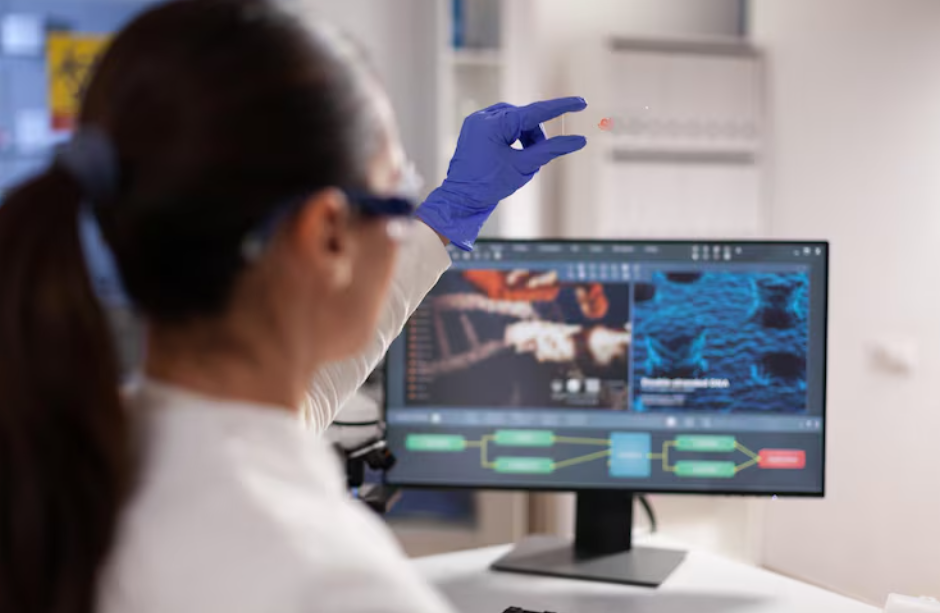
Clinical trials play an important role in developing new medicines and improving patient care. These studies help researchers understand how treatments work and measure their effects on the human body. Accurate medical imaging is an important part of this process because it provides valuable information about a patient’s health and treatment progress. Imaging core lab services support clinical trials by providing reliable imaging analysis, consistent data, and expert guidance. These services help researchers make informed decisions and improve the overall quality of clinical studies.
Improving the Accuracy of Imaging Data
Accurate data is essential for successful clinical trials. Imaging core lab services help ensure that medical images are collected, reviewed, and analyzed according to established standards. Specialists use advanced imaging technology and carefully designed processes to examine scans such as MRI, CT, and PET images. This approach helps researchers receive clear and consistent information about patients’ conditions. With reliable imaging data, clinical trial teams can better understand treatment effects and evaluate study results.
Supporting Consistent Image Analysis
Consistency is important when comparing medical images collected at different locations and times. Clinical trials often involve patients from several hospitals and research centers. Imaging core lab services follow standardized procedures to make sure images are assessed using similar methods. Trained professionals review images according to specific study requirements, helping maintain consistency throughout the research process. This allows researchers to compare results more effectively and develop a clearer understanding of how a treatment performs.
Enhancing Clinical Trial Monitoring
Regular monitoring helps researchers understand how patients respond to a treatment during a clinical study. Imaging core lab services provide organized imaging assessments at different stages of a trial. By comparing images collected over time, research teams can observe changes in tumors, organs, tissues, or other areas related to the study. These assessments offer valuable information about treatment progress and help clinical investigators evaluate whether a therapy is producing the expected results.
Providing Expert Imaging Support
Clinical imaging requires specialized knowledge and experience. Imaging core lab services bring together trained radiologists, imaging specialists, and technical professionals who understand clinical research requirements. Their expertise helps ensure that images are reviewed carefully and that findings are documented in a clear and organized manner. These professionals also work with research teams to establish imaging guidelines and support study-specific requirements. Their involvement helps improve the quality of imaging assessments throughout a clinical trial.
Improving Data Management and Study Efficiency
Organized data management helps clinical research teams work more efficiently. Imaging core lab services use specialized systems to receive, store, manage, and distribute medical images securely. These systems make it easier for authorized research professionals to access relevant imaging information when needed. A structured workflow also supports timely image reviews and reporting. By managing imaging data effectively, these services help clinical trial teams maintain smooth research operations and focus on important study objectives.
Strengthening Collaboration Among Research Teams
Successful clinical trials depend on effective communication between researchers, healthcare professionals, sponsors, and imaging experts. Imaging core lab services encourage collaboration by providing standardized reports and clear imaging assessments. When everyone involved follows the same imaging guidelines, it becomes easier to understand study findings and coordinate research activities. This shared approach supports informed decision-making and helps clinical trial teams work toward common research goals.
Conclusion
Imaging core lab services are an important part of modern clinical research. They support accurate imaging analysis, consistent assessments, effective monitoring, and organized data management. Their specialized expertise also helps research teams maintain reliable imaging practices throughout a study. By providing structured support and valuable imaging information, imaging core lab services contribute to better clinical trial outcomes and help researchers advance medical knowledge and patient care.








Leave a Reply