

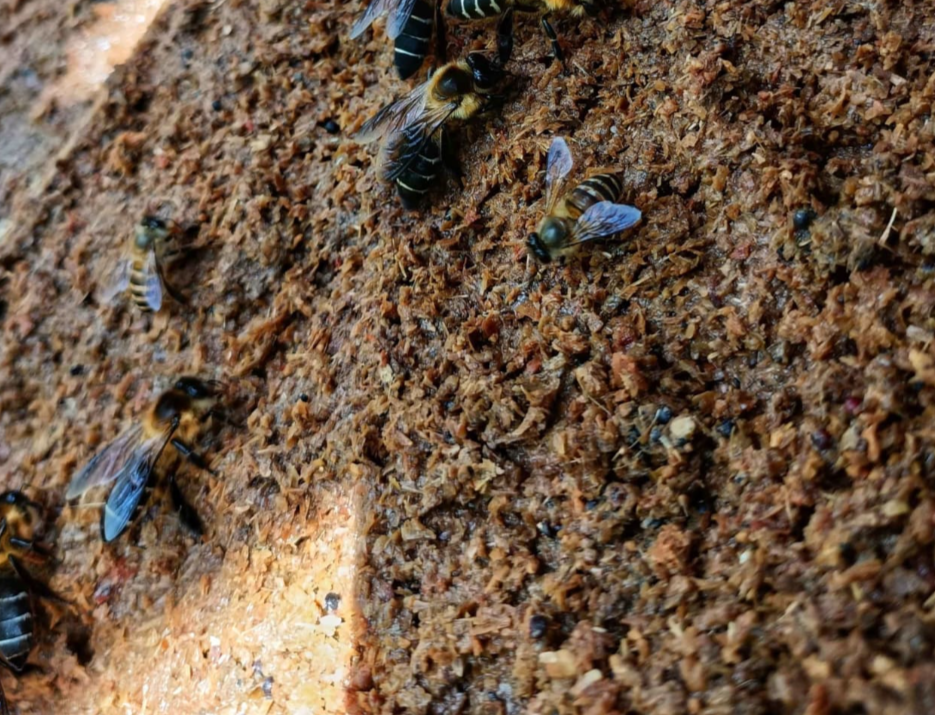
Kids love anything sweet, and a chunk of golden honeycomb fresh from the hive looks a lot like nature’s candy. So when your little one grabs a piece, it is fair to wonder whether you should let them eat it. The short answer is yes for most children over one year old, but raw honeycomb is never safe for babies under twelve months. If it suits your child really comes down to age, portion size, and a couple of easy safety steps. Infants and toddlers face very different risks, so a treat that is perfect for a six-year-old can be dangerous for a baby.
Is Raw Honeycomb Safe for Kids?
Yes, for most children older than one year, raw honeycomb is a safe and natural treat, as long as it is served in small, manageable pieces.
Why Honeycomb Is Edible
The entire comb can be eaten, wax and all. It is simply soft beeswax cells filled with raw, unprocessed honey, and both parts are food-safe. Older children can chew the wax like a natural gum and then swallow it or spit it out once the honey is gone, since the wax itself passes through the body without harm.
Which Age Groups Can Eat It
Children over one year old can enjoy honeycomb. By their first birthday, their digestive systems are mature enough to handle the natural spores that raw honey may sometimes carry.
This is the same age at which doctors say plain honey becomes safe, so the comb follows the same simple rule. Toddlers can have it too, though the youngest ones need their pieces cut especially small so the wax stays easy to manage.
Why Babies Under One Should Never Have It
Babies under twelve months should never eat honeycomb or any form of raw honey. Their gut bacteria are not developed enough to fight off botulism spores, which can grow and release a dangerous toxin. Even a tiny taste on a finger or a pacifier is a risk that is not worth taking.
The Main Safety Risks
Honeycomb is gentle for older kids, but three risks are worth keeping in mind. None of them should put you off, since a few easy habits keep the comb a safe snack:
- Infant botulism: Raw honey and honeycomb can carry spores that may cause a serious illness in babies under one year old
- Choking: Firm chunks of wax can be a choking hazard for toddlers, so the comb should always be cut into small pieces
- Allergies: Pollen, propolis, and other bee products may trigger a reaction in children who are already sensitive to them
What Parents Should Know
With a little planning, honeycomb stays a fun and worry-free snack. Three simple habits cover most of it.
Introducing It to Older Children
Start small and go slow. Offer a thin sliver and watch how your child handles the chewy texture, ideally spread on toast or a cracker for the first few tries, so it feels familiar. Once you know they can chew and swallow it comfortably, you can let them enjoy a piece on their own.
Safe Portions and Moderation
Honeycomb is delicious, but it is still high in natural sugar. Treat it as an occasional snack rather than a daily habit, and keep the portions small. One teaspoon-sized piece is plenty for a young child, and a quick tooth brushing afterward helps protect against cavities from the sticky sweetness. Too much at once can bring on a sugar rush or an upset tummy, so a little now and then is the sweet spot.
When to Skip It Entirely
Some situations call for leaving the honeycomb off the plate completely:
- Any child under twelve months old, with no exceptions whatsoever
- Children with a known allergy to pollen, bee stings, or other bee products
- Kids who are too young to chew properly or sit still calmly while eating
How to Serve It Safely
Serving honeycomb safely takes only a minute of preparation. These simple steps keep snack time smooth and worry-free:
- Cut the comb into small, thin pieces that are easy to chew and swallow
- Sit with younger children and stay within arm’s reach the whole time
- Let older kids chew the wax and then swallow it or spit it out, whichever they prefer
Always supervise: young children should never eat honeycomb while walking, lying down, or playing, because moving around while chewing sharply raises the choking risk.
When to Talk to a Doctor
Most children eat honeycomb with no trouble at all. Even so, it is worth checking with a doctor in a few situations:
- Your baby, under one year old, swallows any honey or honeycomb by accident
- Your child develops hives, swelling, vomiting, or trouble breathing soon after eating
- Stomach upset, unusual fussiness, or other symptoms do not settle within a day
In babies, watch closely for poor feeding, a weak cry, or unusual floppiness, since these can be early signs of botulism and need urgent medical care.
Bottom Line
Raw honeycomb is a wholesome, natural treat that most children over one can happily enjoy. Keep it well away from babies, cut it into small pieces, stay alert for allergies, and serve it in moderation, and it becomes one of the easiest sweet snacks to feel good about handing your child.
When you do reach for honeycomb, freshness makes all the difference. Smiley Honey’s World Famous Honeycomb is cut straight from the hive and never heated or filtered, so it keeps its natural pollen and that pure, fresh-from-the-comb flavor kids go for. Each piece arrives in a sealed, leak-proof cassette, which makes it simple to slice into small, child-friendly portions without the usual sticky mess. It is the kind of honest, uncomplicated treat you can feel good about sharing with the whole family.










Leave a Reply