
Are you taking care of a loved one who can’t easily go to a clinic or hospital?
Maybe it’s your elderly parent, someone recovering from surgery, or a family member with mobility issues. In situations like this, going out for medical check-ups or basic treatments can become a big task.
That’s where in-home doctor services come in, and they can make a big difference for both the patient and the caregiver.
Let’s talk in simple words about what these services are, how they help, and what every caregiver should know.
What Are In-Home Doctor Services?
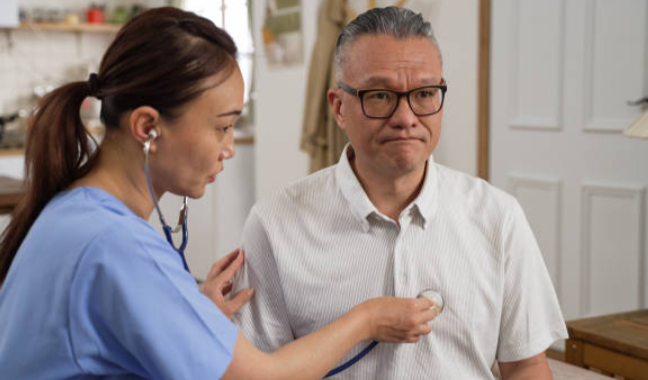
In-home doctor services mean that a licensed doctor visits the patient at home instead of you taking them to a clinic. These are not emergency visits like an ambulance call.
Instead, they are scheduled medical visits for things like check-ups, health screenings, managing long-term illnesses, giving medication, or doing small treatments.
For example, if your father has high blood pressure and finds it difficult to walk or travel, you can schedule a home visit where a doctor will come, check his vitals, review his medicines, and give advice, all without leaving the house.
Why Caregivers Find This Service Useful
When you are looking after someone full-time or even part-time, time and energy are both very limited. Between cooking meals, helping with bathing, giving medicines, and managing doctor appointments, it can feel like a full-time job. In-home doctor visits reduce that stress by making healthcare more reachable.
You also get peace of mind knowing that the person is being looked after properly without the discomfort of travel. It keeps the patient more relaxed, and you also don’t need to worry about long waiting hours at clinics.
In Singapore, many caregivers who deal with elderly or housebound patients find this service very helpful. If you’re checking out how to get started, visiting a trusted general practitioner in singapore is a good place to begin. Some clinics offer both in-clinic and home services, which makes it simple to switch between the two as needed.
Also, many clinics today are offering flexible care plans. If you’re not sure where to go or how to find someone reliable, start by checking out a trusted gp clinic in singapore that understands both your needs and the patient’s comfort.
What Services Can Be Done at Home?
Many people think doctors only come to homes for serious illnesses, but that’s not true.
Home visits cover many regular services like:
Health Monitoring
Doctors can check blood pressure, sugar levels, temperature, and other basic health signs right at home. This is useful if the patient has diabetes, heart conditions, or other ongoing health issues.
Medication Review
Some people take many medicines at once. Doctors visiting at home can help sort this out; they can check if the doses are correct or if any medicines should be stopped or changed.
Follow-Up After Discharge
When someone is sent home from a hospital, recovery continues at home. In-home doctors help by checking the healing progress, dressing wounds, and adjusting medications if needed.
Minor Treatments
If the patient has small wounds, skin problems, fever, cough, or other minor conditions, the doctor can give proper treatment on the spot. This avoids a trip to the clinic just for simple care.
Vaccinations and Injections
Flu shots, B12 injections, and other necessary jabs can also be done without stepping out.
How to Arrange a Visit
Arranging an in-home doctor visit is not difficult. Most clinics that offer this service allow bookings by phone, WhatsApp, or through their websites.
You can pick a time slot that suits you and explain the patient’s situation in advance so the doctor knows what to bring.
Who Benefits the Most?
In-home visits are helpful for anyone, but some people truly benefit more than others.
This includes:
- Elderly people who may be weak or slow to move
- Patients recovering from surgery
- People with disabilities or mobility problems
- Those with long-term illnesses like diabetes or heart disease
- Anyone who feels anxious or tired in crowded clinic spaces
What Should You Keep Ready?
Before the doctor comes, try to keep a few things ready:
- The patient’s medical records or previous reports
- List of medicines being taken now
- Any known allergies
- Blood pressure or sugar reading log (if available)
- A quiet, clean place for the doctor to do the check-up
Cost and Insurance
Costs may vary depending on the type of treatment and the time taken. Some clinics charge per visit, while others offer home care packages.
Also, some insurance plans may cover home doctor visits, especially for long-term illness. It’s better to ask in advance and keep receipts safe.
What Kind of Doctors Offer These Services?
In most cases, these visits are handled by experienced general practitioners (GPs). They are trained to handle a wide variety of common medical issues. Some clinics even have female doctors available if that is preferred by the patient.
How Caregivers Benefit Mentally?
Caring for someone can be physically tiring and mentally draining, too. Getting professional medical support at home gives caregivers some breathing space. You know you’re not alone and that medical help is just one call away. This feeling reduces guilt, fear, and burnout.
Final Thoughts
In-home doctor services are one of those things that make life a little smoother when things are already challenging. If you’re a caregiver, it’s okay to ask for support. Let the doctor come to you. It’s not just easier for the patient — it makes things more manageable for you as well.