
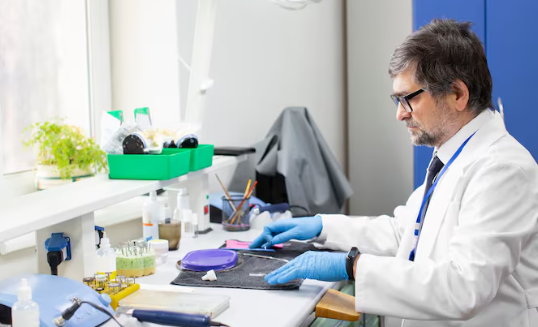
A career as a biomedical equipment support specialist (BMES) serves as a robust entry point into the dynamic field of healthcare technology management (HTM).
Initially focused on the maintenance, calibration, and repair of critical medical devices—from ventilators and defibrillators to patient monitors—this role provides a unique blend of electronics expertise and clinical awareness.
The foundational skills acquired as a biomedical equipment support specialist are highly transferable and in demand across multiple sectors, allowing for diverse and rewarding career progression paths that extend far beyond the initial technician level.
Specialization as an Imaging or Laboratory Technician
One of the most common and valuable progression routes is specialization. A BMES can focus their expertise on complex, high-value equipment, leading to advanced titles such as Certified Radiology Equipment Specialist (CRES) or Certified Laboratory Equipment Specialist (CLES).
These roles involve working exclusively on sophisticated imaging modalities (like MRI, CT, and X-ray scanners) or advanced laboratory instruments.
Specialization requires additional training and certification but often leads to higher salaries and positions within specialized hospitals, larger health systems, or research institutions.
Transition to Field Service Engineer
Many experienced professionals transition from an in-house biomedical equipment support specialist role to become a Field Service Engineer (FSE). FSEs typically work directly for medical device manufacturers or third-party service organizations.
This role involves travel to various client sites (hospitals, clinics, labs) to install, troubleshoot, and repair equipment specific to that manufacturer.
It demands strong independent problem-solving skills, excellent customer communication, and often includes international or regional travel, offering higher earning potential and greater exposure to cutting-edge technology.
Advancement into Clinical Engineering Management
With significant experience and often further education (such as a bachelor’s degree), a BMES can move into managerial and leadership positions. Titles here include Clinical Engineering Manager or Director of Healthcare Technology Management.
These roles shift the focus from hands-on repair to strategic planning, budgeting, regulatory compliance (e.g., ensuring devices meet safety standards), capital equipment acquisition, and personnel management, overseeing teams of technicians and managing the entire technology lifecycle for a healthcare facility.
Consulting and Technical Training
The deep technical and regulatory knowledge accumulated as a biomedical equipment support specialist is highly valued in consulting.
Experienced professionals may transition to roles as independent consultants, advising hospitals on optimizing their equipment fleets, improving compliance, or managing large installation projects.
Alternatively, they may become technical trainers, hired by manufacturers or hospitals to develop and deliver training programs for new technicians, clinical staff, or international clients on the safe and effective use of complex medical devices.
Roles in Regulatory Compliance and Quality Assurance
The emphasis on safety standards and documentation in the BMES role naturally prepares individuals for careers in quality assurance or regulatory compliance.
These roles, often found within medical device manufacturing companies or government regulatory bodies, focus on ensuring that devices meet strict national and international safety, quality, and performance standards before they reach the market.
This path leverages the BMES’s detailed understanding of device failure modes and maintenance requirements to improve product design and patient safety.
Sales and Technical Account Management
Leveraging both their technical knowledge and their understanding of hospital operational needs, some BMES professionals move into technical sales or account management.
In these roles, they act as technical experts, supporting the sales team by explaining complex equipment features to hospital administrators and clinicians.
Their credibility as former technicians who understand the day-to-day challenges of equipment upkeep gives them a significant advantage in selling medical technology solutions.