
Glaucoma treatment is one of the most critical yet misunderstood areas of modern eye care. Often called the “silent thief of sight,” glaucoma can cause irreversible vision loss before symptoms ever appear. For patients and families, understanding how early detection and personalized treatment can preserve eyesight isn’t just helpful, it’s essential.
At practices like Cave Creek Eye Care, glaucoma treatment is approached with a proactive, patient-centered mindset. Advances in diagnostics, monitoring, and therapy mean today’s patients have more options than ever to protect their vision for the long term.
This guide explores what glaucoma really is, how modern glaucoma treatment works, and what patients can do right now to safeguard their eye health.
What Is Glaucoma and Why Early Treatment Matters
Glaucoma is a group of eye diseases that damage the optic nerve, most often due to increased intraocular pressure (IOP). Over time, this pressure harms the nerve fibers responsible for transmitting visual information to the brain.
What makes glaucoma especially dangerous is that:
- It often develops without pain
- Vision loss starts peripherally, not centrally
- Damage is permanent and cannot be reversed
By the time noticeable symptoms appear, significant vision loss may have already occurred. That’s why early glaucoma treatment, guided by comprehensive eye exams, is the single most effective way to preserve sight.
Who Is at Risk for Glaucoma?
While anyone can develop glaucoma, certain factors significantly increase risk. Knowing these can prompt earlier screening and intervention.
Common Risk Factors Include:
- Family history of glaucoma
- Age over 40 (higher risk after 60)
- Elevated eye pressure
- Diabetes or cardiovascular disease
- Long-term steroid use
- Previous eye injuries
Patients in these groups benefit most from routine eye exams that include glaucoma screening, optic nerve imaging, and pressure testing.
Modern Glaucoma Treatment Options Explained
Glaucoma treatment isn’t one-size-fits-all. Effective care depends on the type of glaucoma, the stage of disease, and each patient’s lifestyle and overall health.
1. Prescription Eye Drops
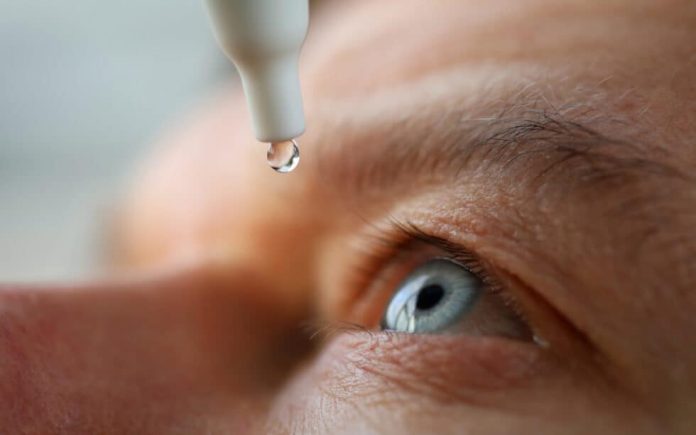
Eye drops remain the most common first-line glaucoma treatment. They work by:
- Reducing fluid production in the eye
- Improving fluid drainage
- Lowering intraocular pressure
Consistency is critical. Missing doses can allow pressure to rise and cause further optic nerve damage.
2. Oral Medications
In some cases, oral medications may be used short-term to rapidly reduce eye pressure, especially during acute episodes.
3. Laser Therapy
Laser procedures can help improve fluid drainage or reduce fluid production. These treatments are:
- Minimally invasive
- Often performed in-office
- Frequently used alongside medication
4. Surgical Options
When other glaucoma treatments are insufficient, surgery may be recommended to create new drainage pathways and control pressure long-term.
An experienced eye care provider evaluates all options to determine the safest, most effective treatment plan.
Why Personalized Glaucoma Treatment Is Essential
No two glaucoma cases are identical. Eye pressure levels, optic nerve structure, and disease progression vary widely from patient to patient.
At patient-focused practices like Cave Creek Eye Care, glaucoma treatment is customized using:
- Advanced retinal imaging
- Visual field testing
- Longitudinal pressure tracking
- Individual risk assessment
This personalized approach allows providers to adjust treatment proactively, before vision loss occurs.
The Role of Advanced Technology in Glaucoma Care
Modern glaucoma treatment relies heavily on technology to detect subtle changes early and monitor progression accurately.
Key Diagnostic Tools Include:
- Optical Coherence Tomography (OCT) for optic nerve analysis
- Digital retinal imaging
- Automated visual field testing
- Non-contact and applanation tonometry
These tools support earlier diagnosis, more precise treatment decisions, and improved long-term outcomes
Lifestyle Factors That Support Glaucoma Treatment
While medical care is essential, patients also play a role in supporting their glaucoma treatment plan.
Helpful Lifestyle Tips:
- Take medications exactly as prescribed
- Attend all follow-up eye exams
- Maintain healthy blood pressure
- Manage chronic conditions like diabetes
- Avoid smoking
- Discuss supplements or alternative therapies with your eye doctor
Patients who stay engaged in their care tend to experience better disease control and less progression over time.
Common Myths About Glaucoma Treatment
Misinformation often prevents patients from seeking timely care or taking glaucoma seriously in its early stages. Clearing up common myths can empower patients to act sooner and protect their vision.
Myth: Glaucoma only affects seniors
Fact: While risk increases with age, glaucoma can develop at any stage of life, including infancy and young adulthood.
Myth: Vision loss from glaucoma can be restored
Fact: Damage caused by glaucoma is permanent, but with proper glaucoma treatment, further vision loss can often be slowed or stopped.
Myth: No symptoms means no problem
Fact: Most forms of glaucoma show no noticeable symptoms in the early stages, which is why regular eye exams are critical.
Education plays a vital role in effective glaucoma treatment, helping patients make informed decisions and take control of their long-term eye health.
How Often Should Glaucoma Patients Be Monitored?
Monitoring frequency depends on disease severity and stability.
Typical Follow-Up Guidelines:
- Early or suspected glaucoma: every 6–12 months
- Moderate glaucoma: every 3–6 months
- Advanced glaucoma: every 1–3 months
Regular monitoring allows adjustments to treatment before irreversible damage occurs.
Why Choosing the Right Eye Care Provider Matters
Successful glaucoma treatment isn’t just about medication, it’s about expertise, trust, and continuity of care.
An experienced provider:
- Detects subtle changes earlier
- Adjusts treatment proactively
- Educates patients clearly
- Uses evidence-based protocols
- Builds long-term patient relationships
Cave Creek Eye Care exemplifies this approach by combining advanced diagnostics with personalized attention and ongoing patient education.
The Future of Glaucoma Treatment
Research continues to improve how glaucoma is managed. Emerging innovations include:
- Sustained-release drug delivery systems
- Minimally invasive glaucoma surgeries (MIGS)
- AI-assisted diagnostics
- Neuroprotective therapies
These advances promise even better outcomes for future patients, but early detection remains irreplaceable.
Take Control of Your Vision Today
Glaucoma treatment works best when started early and managed consistently. Whether you have known risk factors, a family history of glaucoma, or simply want peace of mind, comprehensive eye exams are your first and most important line of defense against vision loss.
At Cave Creek Eye Care, patients receive expert, patient-centered glaucoma care backed by advanced diagnostic technology and individualized treatment plans. From early detection to ongoing monitoring, the focus is always on protecting your vision and supporting long-term eye health.
Your eyesight is irreplaceable. Don’t wait until symptoms appear, schedule a comprehensive eye exam today and take a proactive step toward preserving your vision for years to come.