


Most headaches in a family do not appear at random. They may be linked with shared bedtimes and wake times, screens and couches, meals and stress. When a household runs on short sleep and long screen days, headaches may show up more often, and that pattern offers a practical place to start looking.
Why headaches often cluster in one household
Headaches can follow routine, particularly when everyone stays up late and wakes tired, skips breakfast, relies on caffeine and then sits for hours.
That shared rhythm matters. Irregular or poor-quality sleep can trigger headaches across age groups, although it affects each person differently. When parents sleep poorly, children may follow the same bedtime drift, late-night screen habits and rushed morning schedule.
Meals and fluids can work in a similar way. A family that skips meals or drinks little water through the day creates the same conditions for everyone. Some children and teens report headaches after missed meals or low fluid intake. Adults may also notice symptoms after activity or after drinking plenty of coffee without much water, but hydration alone will not explain every headache.
Then there is modelling. Children often copy what they see. If parents work hunched over a laptop at the kitchen table or scroll on the couch with the neck bent, children may do homework and play games in similar positions. These habits can contribute to neck discomfort or muscle fatigue, though posture by itself does not prove the cause of a headache.
Family health history adds another layer. Migraine has a genetic component, so vulnerability can run from parent to child. That does not mean a child will experience the same symptoms. Recurring headaches in children should still be discussed with an appropriate licensed medical clinician rather than dismissed as growing pains.
The World Health Organization has estimated that almost half of adults worldwide have experienced a headache within the past year. Headaches are common, but symptoms shared within one household should still be considered individually.
Household changes may support more than one person at once, provided they are treated as optional measures rather than a substitute for medical assessment.
How to tell common headache patterns apart
Headaches do not all behave in the same way, and treatment varies. Recognising broad features can help a family describe symptoms clearly, but symptoms alone should not be used to diagnose a headache type.
Tension-type headache often involves dull pressure or tightness on both sides of the head. People may describe a band around the forehead or pressure at the temples and back of the skull. Stress, poor sleep and long periods without breaks may contribute. Nausea or marked sensitivity to light is less typical, and routine movement may not make the pain much worse, although individual symptoms vary.
Head pain associated with neck discomfort may behave differently. A cervicogenic headache is linked to structures in the cervical spine, but a clinician must assess whether that diagnosis fits. Pain may sit on one side and begin near the base of the skull before spreading towards the temple or eye. Neck movement or holding one position may aggravate symptoms. People who work at laptops or spend hours on phones may also have neck discomfort, but screen use and posture do not confirm the cause.
Migraine is a neurological condition rather than simply a severe tension headache. Pain may be throbbing or one-sided, although it can shift or occur differently. Nausea and sensitivity to light or sound are common, and some people experience visual or other neurological changes before or during an attack. Symptoms can last for hours or longer. Suspected migraine, especially when it is new, severe or changing, warrants medical input rather than self-diagnosis.
Children and teens can experience tension-type headaches, migraine and other causes of head pain. School stress, missed meals, low fluid intake and inconsistent sleep may be relevant, but they are not the only possibilities. Parents should seek medical advice for recurring pediatric headaches, particularly when they disrupt school or occur with vomiting, substantial light sensitivity, changes in vision or balance, or other worrying symptoms.
Tech neck and the daily headache cycle
Forward head posture is now common at home. The head drifts towards phones and laptops, the shoulders round and the chin moves forwards. This is often called tech neck.
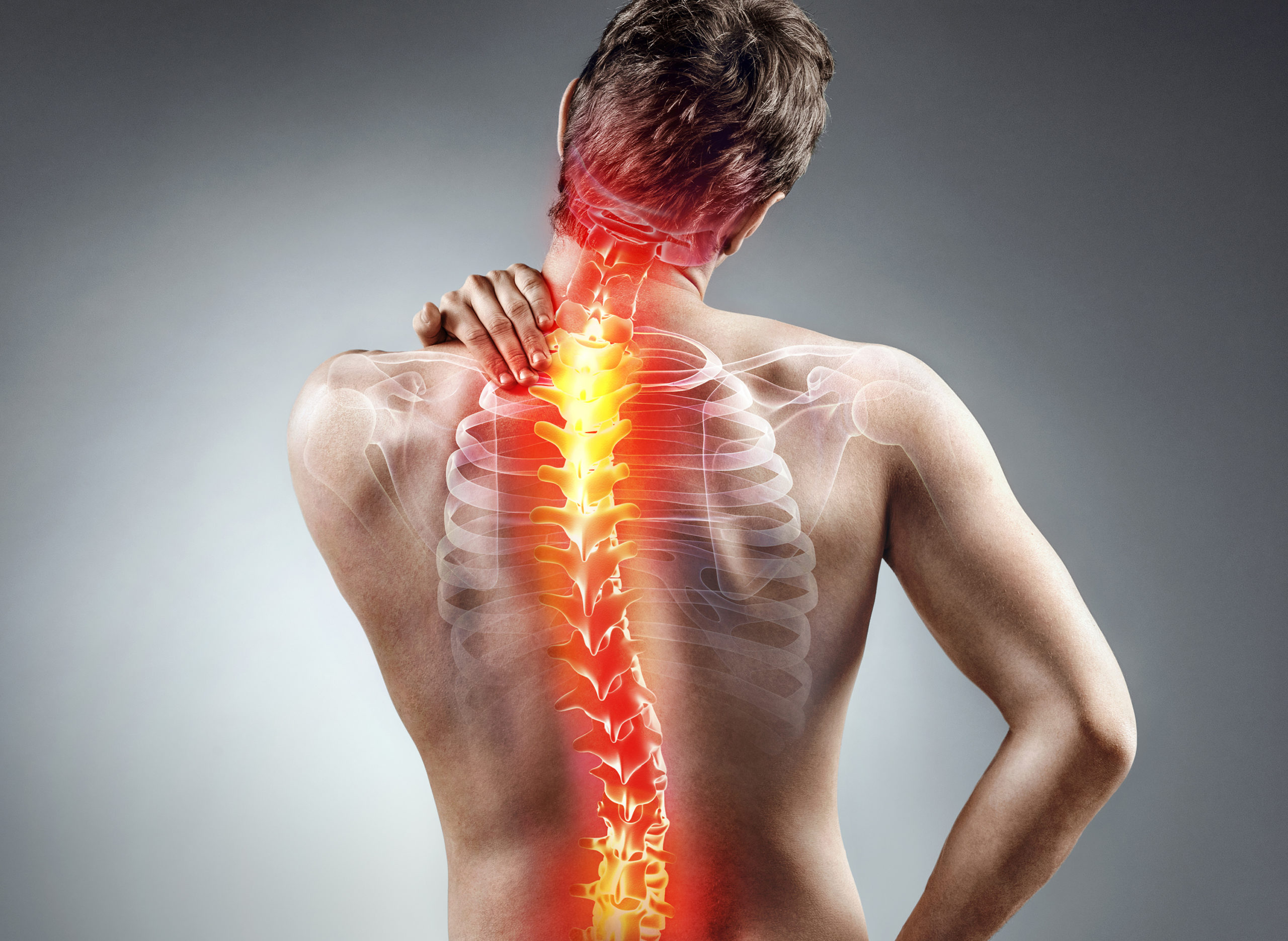
That position can tire muscles around the upper neck and shoulders. The head is heavy, and holding it forwards for long periods may increase the work required from surrounding muscles. Some people experience neck stiffness or pain that spreads upwards, although posture cannot reliably identify or predict the source of a headache.
A cycle may then develop for some people. Neck discomfort can accompany headache, while pain may lead to guarding, less movement and further stiffness. That does not mean the neck is responsible for every headache, so persistent or worsening symptoms still need appropriate medical assessment.
Screen habits may influence comfort through session length, break frequency and screen position. A low laptop on a couch encourages a downward gaze, as does a phone held in the lap. Kitchen chairs without support may feel uncomfortable during homework, while long periods of twisted sitting on a couch can leave the neck or back sore.
Home ergonomics do not have to be perfect. The aim is to find a position that feels comfortable and can be changed regularly. Placing a screen near eye level, supporting the feet and keeping the elbows close may help some people. Short movement breaks are another option because even a comfortable position can become tiring when held all day.
A home checklist your whole family can use
Start with everyday habits before looking for complex answers. Consistent sleep and regular meals may help some families identify triggers, but they will not prevent or resolve every headache.
Keep bedtimes and wake times reasonably steady if that suits the family. A window of about an hour, including at weekends, may be practical. Dark, cool bedrooms and phones charging outside the room can support sleep when late scrolling is a problem. Morning light and a short wind-down routine may also help establish a regular pattern.
The 20-20-20 rule is an optional screen reminder. Every 20 minutes, look at something about 20 feet away for 20 seconds and blink. You might also stand, roll the shoulders or move the neck gently within a comfortable range. Children can try this between game rounds or homework tasks, while adults may pair breaks with water or a trip to the bathroom.
Drink water regularly according to individual needs rather than trying to catch up at night. Children can take a bottle they are comfortable using, and water can be offered with meals or after activity. Thirst may be a useful prompt, but increasing fluids is not a reliable treatment for headaches that are unrelated to dehydration.
Fix the least comfortable workstation issues first:
Raise the screen towards eye level if that feels better, using books or a stable box when a stand is unavailable. Keep the keyboard and mouse within easy reach, sit back with the feet supported and change position when discomfort develops. If the couch doubles as an office, consider moving longer work sessions to a table or another supportive setup.
Choose movement that is suitable for each person’s health and ability. A walk after dinner or active play may break up long periods of sitting. Regular activity, meals, fluids and screen breaks can be reasonable self-care options, but there is no fixed period in which they should work. Track symptoms, and seek medical advice sooner if headaches are severe, recurring, changing or concerning.
Red flags that need urgent care
Most headaches are not emergencies. A few warning signs require immediate attention, and families should know them.
Call emergency services for a sudden thunderclap headache that reaches severe intensity quickly or feels like the worst headache of the person’s life. Seek emergency medical care for headache with fever and a stiff neck, especially when it is difficult to bend the neck forwards.
Emergency assessment is also appropriate after a significant head injury, particularly if symptoms develop or worsen. Call emergency services for new weakness on one side, slurred speech, new vision loss, persistent double vision, confusion, fainting, a seizure or other sudden neurological changes with headache.
These signs can indicate conditions that need prompt medical investigation. Do not wait to see whether sleep, water or rest makes them better. Call emergency services or go to an emergency department and explain exactly what changed and when.
When home changes are not enough
Home habits may support general wellbeing, but they do not address every cause of headache. Some symptoms continue even after sleep, meals, workstation comfort or screen routines change.
Book an appointment with an appropriate licensed medical clinician when headaches repeatedly interfere with school, work or usual activities. Missed classes, lost workdays, severe symptoms, pregnancy-related headaches or headaches that repeatedly force early bedtimes and cancelled plans all deserve medical review.
Monitor pain-reliever use as well. Frequent use of some over-the-counter medicines can contribute to medication-overuse headache. If medicine is needed often, helps less than before or the weekly amount is increasing, discuss the pattern with a doctor or pharmacist rather than changing doses without advice.
Recurring symptoms are a reason to arrange medical assessment, regardless of how long household changes have been tried. Some families may also speak with a Headache Chiropractor about neck function or workstation comfort alongside usual medical care. Chiropractic assessment should be an adjunct, not a replacement for diagnosis or treatment by an appropriate medical clinician. Notes on sleep, screens, meals, fluids and medicine use may provide useful context.
Do not wait for a routine appointment when headaches become sudden or severe. New one-sided pain with nausea where there was previously dull pressure also deserves fresh medical input. Recurring headaches in a young child, during pregnancy or after starting or changing medication should be discussed promptly with an appropriate clinician.
What to expect from conservative headache care
A responsible headache visit starts with questions rather than immediate hands-on treatment. Expect discussion of onset, location, timing, severity and associated symptoms, along with sleep, meals, fluids and stress. Family health history, previous head injuries, pregnancy status and current medications may also be relevant.
A physical check may follow. A clinician might observe how the head and shoulders sit during standing or sitting, while recognising that posture does not diagnose the cause. Neck mobility and muscle testing can identify movements or areas that feel stiff or sore, but the results must be considered alongside the medical history and any need for further investigation.
For some tension-type or cervicogenic headache presentations, conservative care may include attention to the neck. Chiropractic treatment can involve spinal manipulation, a quick, controlled thrust to a selected joint that may produce an audible pop. Manual therapy may include soft-tissue techniques around the neck and shoulders. Benefits vary, these approaches do not reliably resolve all headaches and suitability should be assessed individually.
This care does not replace medical evaluation. Migraine may require medical management, while red-flag symptoms need emergency care first. Some people use conservative care for possible musculoskeletal contributors while a primary clinician manages medication or arranges referral when appropriate. A responsible practitioner should explain options, limitations and when the presentation falls outside their scope.
Bring a simple headache diary
A headache diary can make appointments more useful. Memory blurs, while a written record preserves details.
An app is optional. A notebook works, with a page for each day and each family member experiencing headaches. Record bedtime, wake time, meals and fluids in simple terms, along with estimated screen use and unusually long periods without a break.
Log each headache as well. Note when it started, how long it lasted, where the pain was and how it felt. Include what was happening beforehand, what seemed to help, associated symptoms and any pain reliever taken, including the dose.
Over time, possible patterns may become easier to discuss, such as late nights before morning pressure, long gaming sessions before pain or skipped meals before afternoon symptoms. Neck movement and posture notes may add context, but an apparent pattern does not establish the cause.
Bring the diary to medical or conservative-care visits. It can support clearer decisions and show whether symptoms are changing. Headaches may share household influences, but each person still needs individual attention, steady self-care where appropriate and medical help when symptoms persist or raise concern.







Leave a Reply