

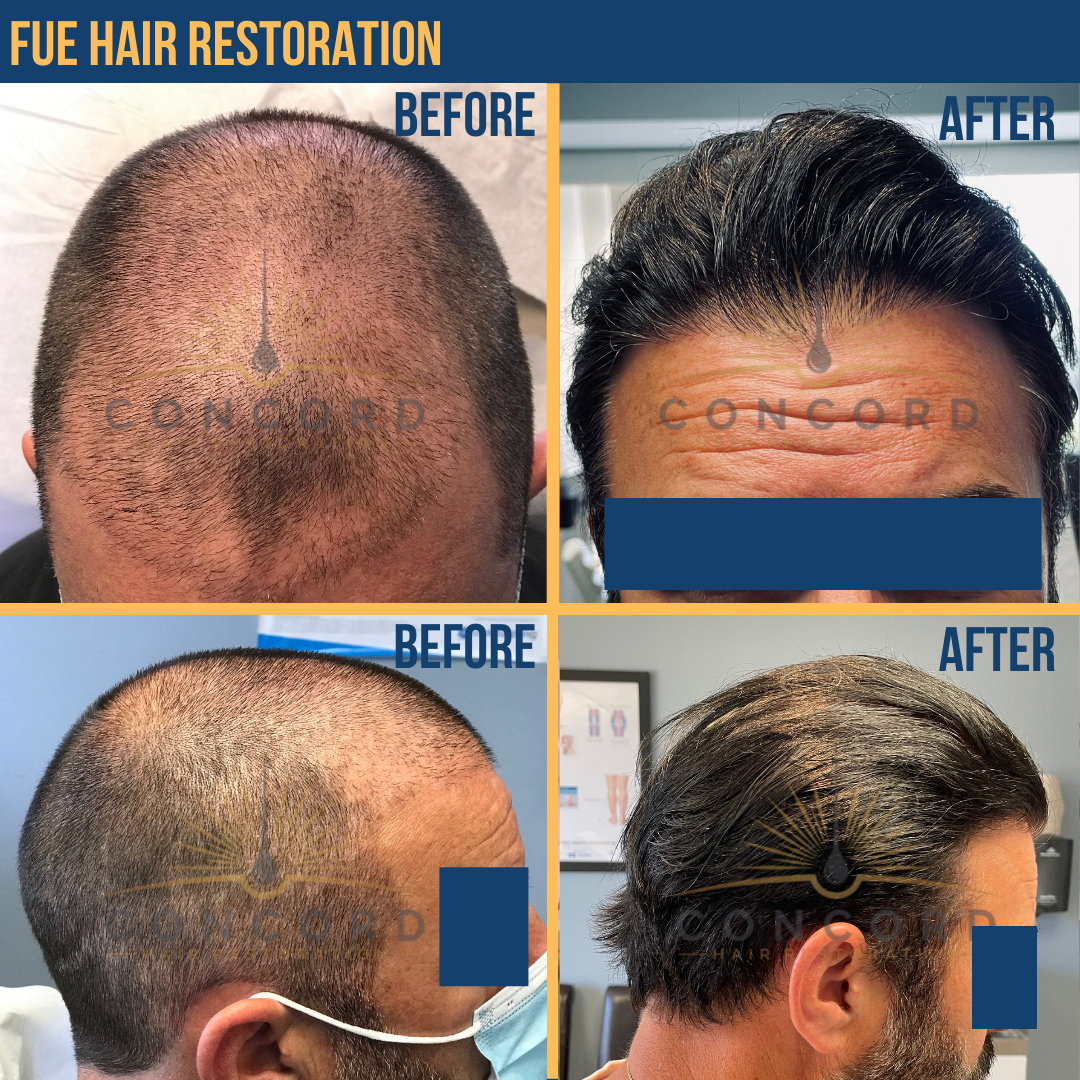
When people begin researching hair restoration, one question tends to come up more than almost any other:
“How many grafts will I need?”
While graft count certainly plays an important role in planning a procedure, experienced hair restoration physicians know that another factor often has a much greater influence on the final outcome:
Hairline design.
A well-designed hairline can create a natural, balanced appearance that complements a person’s facial features for years to come. On the other hand, an aggressive or poorly planned hairline may look unnatural, require unnecessary donor hair, or become more noticeable as future hair loss progresses.
For patients considering a hair transplant in Los Angeles, understanding the importance of thoughtful hairline design can make a significant difference when selecting a physician and planning treatment.
Hairline Design Is Both Science and Art
Modern Follicular Unit Extraction (FUE) has made hair restoration more precise than ever before, but technology alone does not determine the outcome.
Every patient has unique:
- Facial proportions
- Hair characteristics
- Donor hair availability
- Hair density
- Long-term hair loss progression
These factors all influence where a hairline should begin, how it should curve, and how dense it should appear.
Rather than creating identical hairlines for every patient, experienced physicians develop individualized treatment plans that are designed around each person’s facial structure and long-term goals.
Looking Beyond Today’s Appearance
One of the most overlooked aspects of hair restoration is planning for the future.
Hair loss is often progressive. A hairline that appears appropriate today may not continue looking natural if surrounding native hair continues thinning over the next decade.
This is why thoughtful donor preservation and conservative planning remain essential components of modern hair restoration. Experienced physicians aim to create results that continue looking balanced and natural for many years rather than simply focusing on immediate density.
Natural Hairlines Are Rarely Perfectly Straight
One of the easiest ways to recognize an unnatural hair transplant is a hairline that appears overly straight or perfectly symmetrical.
Natural hairlines contain subtle irregularities.
Small variations in follicle placement, angle, and density help recreate the appearance of naturally growing hair instead of a transplanted look.
Creating these details requires careful planning, artistic judgment, and significant experience.
Donor Hair Is a Limited Resource
Every graft used today is one that cannot be used again later.
For this reason, experienced hair restoration physicians often focus on preserving donor hair whenever possible.
Strategic graft placement can frequently create the appearance of greater density while maintaining flexibility should additional treatment become beneficial in the future.
Personalized Planning Makes the Difference
Successful hair restoration is not determined solely by technology.
It depends on physician judgment, individualized planning, and understanding how each patient’s hair loss may change over time.
A comprehensive consultation should evaluate:
- Hair loss pattern
- Donor density
- Hair texture
- Facial proportions
- Medical history
- Long-term goals
- Future hair loss progression
These factors allow physicians to create treatment recommendations tailored specifically to each patient.
Choosing the Right Hair Restoration Physician
When researching providers, patients should look beyond before-and-after photographs alone.
Important considerations include:
- Physician involvement throughout treatment
- Individualized consultations
- Experience with different hair types
- Donor preservation philosophy
- Long-term treatment planning
- Natural hairline design
- Personalized patient care
Taking the time to evaluate these factors can help patients choose a provider who prioritizes long-term, natural-looking results.
Final Thoughts
Modern hair restoration has advanced tremendously over the past decade.
While graft count remains one important part of treatment planning, thoughtful hairline design, physician expertise, donor preservation, and long-term planning often have the greatest influence on achieving results that continue looking natural for years to come.
If you’re researching a hair transplant in Los Angeles, it’s worth choosing a physician who emphasizes personalized planning rather than simply focusing on the number of grafts transplanted.
To learn more about Dr. Ben Mousavi and his physician-led approach to advanced FUE hair restoration, visit Concord Hair Restoration.






Leave a Reply