

Hair loss can affect a man’s appearance, confidence, and everyday comfort. Fortunately, there are several options available for men who want to improve the appearance of thinning or missing hair. The most suitable choice depends on the cause and extent of hair loss, lifestyle, budget, maintenance preferences, and desired appearance. Hair replacement for men can include non-surgical solutions, hairpieces, and surgical procedures, giving individuals several approaches to consider.
1. Hair Replacement Systems
Hair replacement systems are designed to cover areas affected by thinning or hair loss using natural or synthetic hair attached to a specialized base. They can be customized according to hair color, length, density, and style.
Hair replacement for men can provide an immediate change in appearance without requiring a surgical procedure. Depending on the system, regular cleaning, maintenance, and professional adjustments may be necessary.
2. Hair Toupees and Partial Hairpieces
Men experiencing hair loss mainly around the crown or top of the head may consider a partial hairpiece. Toupees can be designed to blend with existing hair and may provide coverage while maintaining a natural-looking hairstyle.
They are available in different materials and attachment methods, allowing users to choose an option based on comfort, appearance, and maintenance needs.
3. Full Hair Systems
For men with more extensive hair loss, a full hair system may provide broader coverage. These systems are designed to create the appearance of a complete head of hair and can be customized to match the wearer’s preferred hairstyle.
Hair replacement for men using full systems may require regular professional maintenance to keep the hair and base looking natural and comfortable.
4. Scalp Micropigmentation
Scalp micropigmentation is a cosmetic technique that uses carefully applied pigment to create the appearance of hair follicles on the scalp. It can make thinning areas appear denser or create the visual effect of a closely shaved hairstyle.
This option does not restore actual hair growth, so it may be more suitable for men who prefer a short hairstyle and want to reduce the visual contrast caused by hair loss.
5. Hair Transplantation
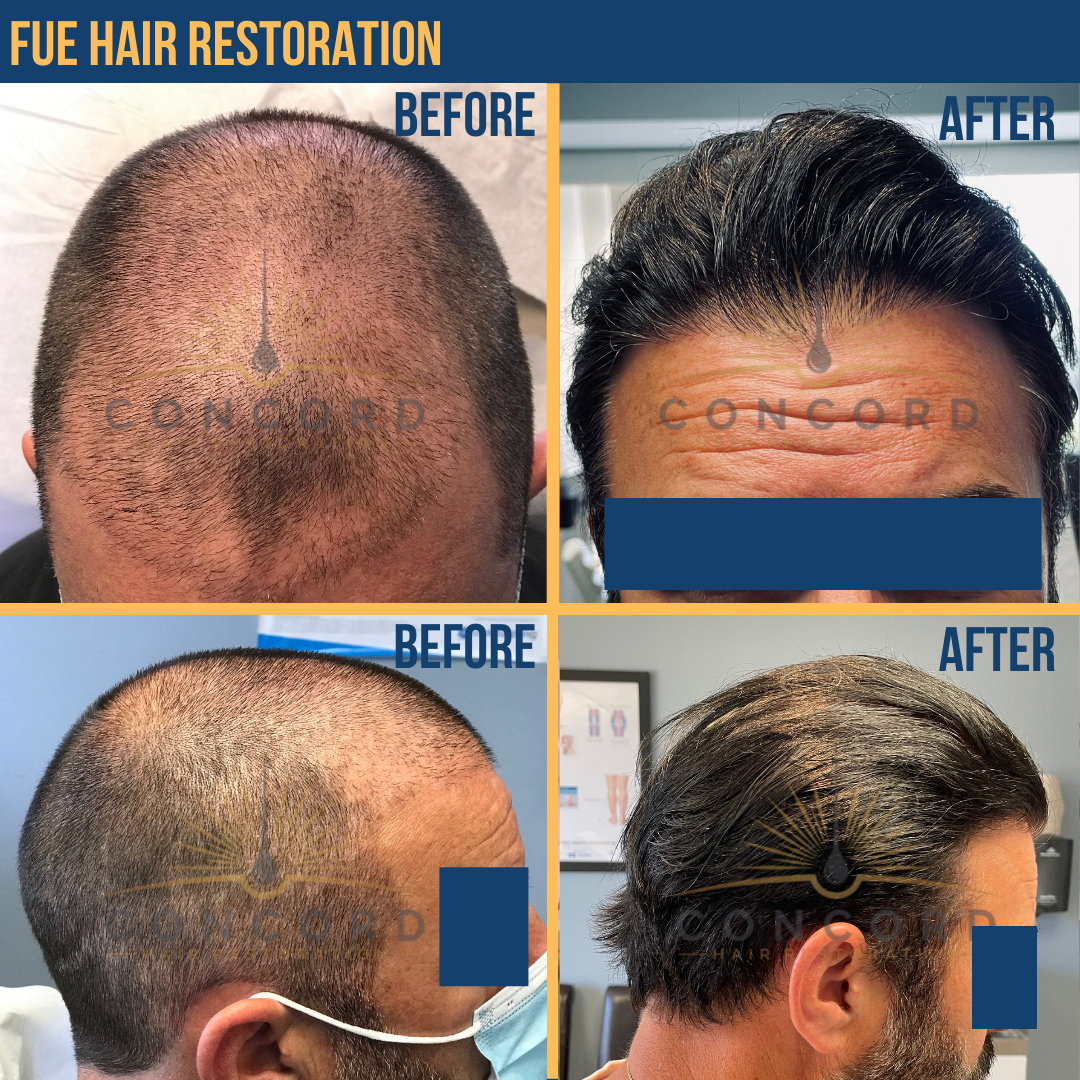
Hair transplantation is a surgical option that moves hair follicles from one part of the scalp to areas affected by hair loss. Techniques such as follicular unit transplantation and follicular unit extraction may be used depending on the individual’s situation.
Results can take time because transplanted follicles generally require a recovery and growth period. A qualified medical professional should evaluate whether this option is appropriate.
6. Medical Hair-Loss Treatments
Some men may benefit from medically approved treatments designed to slow hair loss or support hair growth, depending on the cause of their condition.
A dermatologist or other qualified healthcare professional can assess the type of hair loss and discuss suitable treatments. Medical options may work differently for different individuals, so professional guidance is important before starting treatment.
Final Thoughts
The best hair replacement option depends on the individual’s pattern of hair loss, expectations, lifestyle, and personal preferences. Hair replacement for men can range from partial hairpieces and full systems to scalp micropigmentation, medical treatments, and surgical hair transplantation. Consulting a qualified hair-replacement specialist or healthcare professional can help determine which option is appropriate.




Leave a Reply