

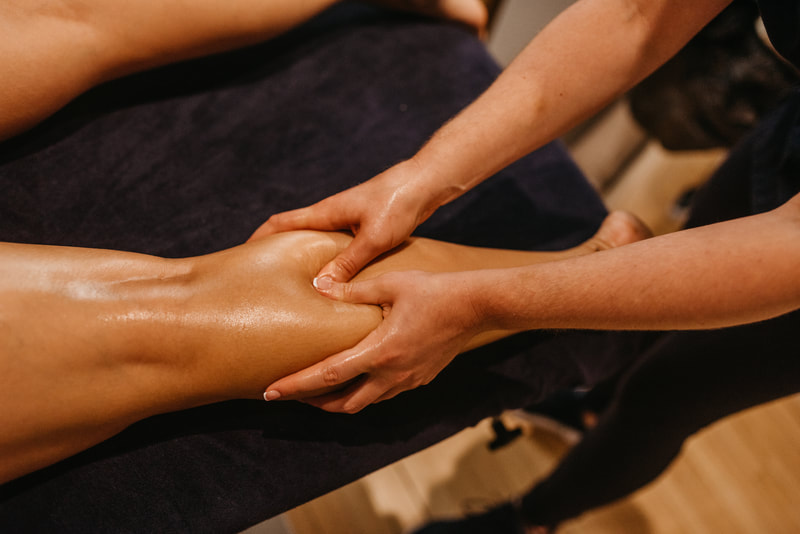
Most people think of massage as a luxury. A way to unwind after a stressful week or reward yourself with some downtime. But remedial massage is a completely different story.
It’s not just about relaxation. It’s a structured, purposeful form of treatment that supports the body’s recovery, improves function, and addresses physical issues at their root. In many cases, remedial massage is the missing link in ongoing pain management, injury recovery, and muscular health.
So if you think it’s just about feeling good in the moment, think again. Remedial massage plays a key role in long-term healing.
What Sets Remedial Massage Apart?
Unlike general relaxation massage, remedial massage is a clinical approach. The therapist isn’t simply applying pressure for comfort. They assess your body, identify problem areas, and use specific techniques to target underlying issues.
This might include:
● Trigger point therapy
● Myofascial release
● Deep tissue massage
● Stretching and joint mobilisation
● Cross-fibre techniques
Everything is tailored to support healing. Whether it’s an old sports injury, posture-related tension, or chronic pain, the aim is to treat the cause, not just the symptoms.
Supporting the Body’s Natural Repair Process
Your body is always working to repair itself. But sometimes it gets stuck. Muscles tighten, circulation slows, and inflammation builds up. This is where remedial massage steps in.
When done properly, remedial massage can:
● Improve blood flow – Better circulation brings oxygen and nutrients to injured tissues, speeding up recovery.
● Break down adhesions – These are knots and scar-like tissue that form after injury or overuse, limiting movement.
● Flush waste products – The massage process stimulates the lymphatic system, helping clear out toxins and reduce inflammation.
● Release chronic tension – Tight muscles can pull joints out of alignment, creating pain and movement issues. Remedial work resets this balance.
● Encourage neural relaxation – Pain and stress often keep the nervous system in overdrive. This type of massage signals it to calm down.
These benefits aren’t just anecdotal. They’re based on how the body’s systems interact – muscles, nerves, connective tissue, and circulation are all connected. When one part struggles, others compensate, and that often leads to more pain.
Not Just for Athletes
There’s a common misconception that remedial massage is only for those who train hard or compete in sports. That’s simply not true.
Many people who benefit most from remedial massage have everyday, non-athletic issues:
● Desk workers with stiff necks and shoulders
● Parents dealing with lower back strain
● Tradespeople with repetitive movement injuries
● Older adults managing age-related aches
● People recovering from surgery or accidents
Even stress alone can cause physical issues. When you’re constantly tense, muscles stay contracted. Over time, this can lead to headaches, jaw pain, neck stiffness, and even digestive issues.
Remedial massage addresses these problems by locating where the tension is stored and releasing it. The result is more than relaxation; it’s a reset for the body.
It’s a Collaborative Process
One of the strengths of remedial massage is that it’s not a one-size-fits-all approach. A good therapist doesn’t just treat what you say hurts. They assess posture, test muscle strength and range of motion, and ask detailed questions about your lifestyle and symptoms.
This creates a full picture of how your body is functioning. From there, the therapist can develop a plan, not only for hands-on treatment but also for home exercises, stretches, and posture advice.
This back-and-forth approach means your body has a better chance to heal properly, and you’re less likely to slip back into the same patterns.
Who Should Consider It?
There are a few key signs that remedial massage might be the right option:
● Persistent pain – If an ache has stuck around for weeks or months, and hasn’t improved with rest.
● Restricted movement – If you’re finding it hard to move freely, especially in the neck, back, shoulders, or hips.
● Muscle tightness or imbalance – If one side of your body feels constantly tighter or more painful than the other.
● Nerve irritation – Including tingling, numbness, or referred pain like sciatica.
● Recovery from injury – Whether post-surgical or from a strain, sprain, or repetitive overuse.
● Ongoing postural strain – Common with sedentary work or jobs that involve lots of lifting or awkward angles.
Even if the discomfort seems minor now, untreated tension can evolve into more serious problems. Remedial massage offers a way to deal with it early.
What to Expect from a Session
A remedial massage session usually starts with a short consultation. This might involve some physical assessments, questions about your symptoms, and a chat about your goals. From there, the therapist will choose techniques to suit your needs.
The massage itself may involve both relaxing and intense moments. Some techniques are deep or targeted, and this can feel uncomfortable at times. But it should never feel wrong. Open communication during the session is essential, so the therapist can adjust as needed.
Post-treatment, you might feel a bit sore or tired. This is normal. It often means the muscles have released a lot of tension. You may also be given guidance on hydration, movement, and home care to support recovery between sessions.
Keep It Consistent
One treatment can make a difference, but for long-term change, consistency matters.
Muscle memory and posture habits take time to shift. If your body has adapted to moving in a certain way, especially if there’s been pain involved, it won’t unlearn that overnight. A series of well-spaced sessions can help retrain the muscles and reduce the chances of symptoms returning.
Think of it like physical maintenance. Just as you wouldn’t expect to stay fit with one workout, you shouldn’t expect your body to fully recover with one massage. Ongoing care, spaced out based on your body’s needs, builds real and lasting results.
More Than Just Relief
Remedial massage doesn’t just help you feel better. It helps you function better. When your muscles work the way they should, everything becomes easier – walking, sitting, lifting, sleeping, even breathing.
People often underestimate how much chronic tension affects their day-to-day life. You don’t always notice it until it’s gone. The dull background ache in your shoulder, the stiffness when you get out of bed, the tension headaches that come on mid-week – all of these can be signs that your body’s asking for help.
Remedial massage offers that help in a direct, physical way.
When Your Body Needs a Reset
If something has been feeling off, if you’ve had pain that won’t go away, or if your movement doesn’t feel as free as it used to, remedial massage could be what your body needs.
It’s not a luxury. It’s not just for relaxation. It’s hands-on care with a purpose – helping you move better, feel stronger, and recover properly.
Sometimes healing isn’t about doing more. It’s about doing the right thing for your body. And this kind of massage might just be the missing piece.











Leave a Reply