

For individuals seeking a boost in stature, leg lengthening surgery offers a transformative solution that extends beyond mere physical change. From consultation to recovery, this procedure is a significant commitment—one that requires patience, discipline, and a clear understanding of what lies ahead. If you’re considering increasing your height through surgical means, it’s important to know exactly what to expect during the entire journey. To learn more about the procedure, recovery timelines, and personalized treatment options, you can visit https://www.limbplastx.com/ for detailed guidance from experienced specialists.
Initial Consultation: Setting Realistic Expectations
Every leg lengthening journey begins with a thorough consultation. During this phase, the orthopedic specialist evaluates your medical history, bone structure, and overall health to determine if you’re a suitable candidate. Discussions typically focus on your goals, potential height gain, and whether one or both legs will be treated. Most people can expect to gain between 5 and 8 centimeters, though this varies based on individual anatomy and the chosen method.
Equally important is the psychological screening. Surgeons want to ensure you understand the mental and physical demands of the process. They’ll ask questions about your motivation, mental health, and ability to commit to months of recovery and physical therapy.
Pre-Surgery Preparation
Before the operation, patients undergo various tests such as blood work, X-rays, and sometimes CT scans. These help in planning the surgical approach. Additionally, some people are urged to begin prehabilitation, which consists of simple leg exercises that increase flexibility and strength. This gives patients a head start on the physical therapy required later.
You’ll also receive detailed instructions about medications, dietary changes, and lifestyle adjustments to prepare your body for the procedure and recovery.
The Surgical Procedure
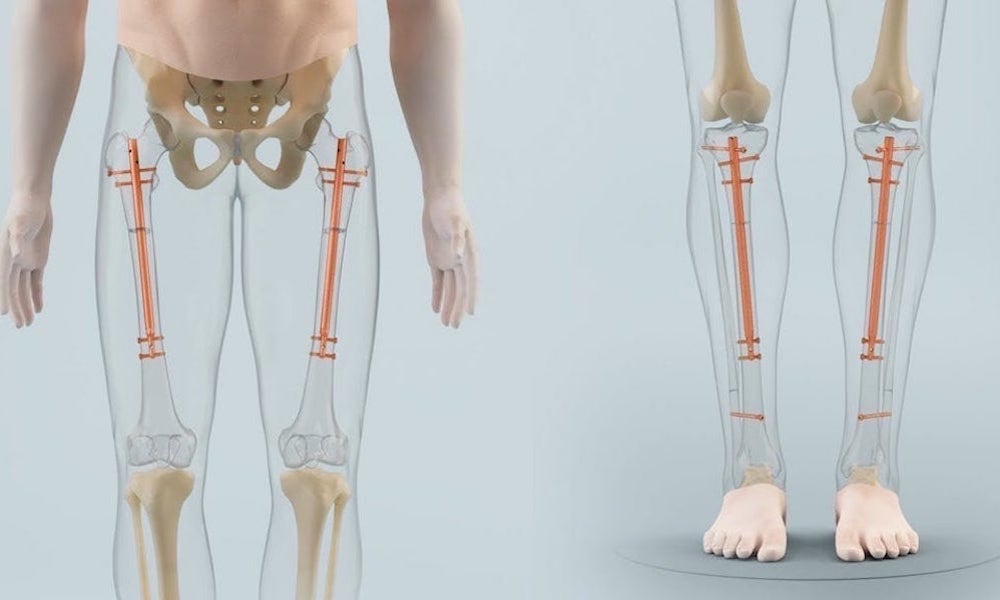
The surgery itself involves cutting the target bone (usually the femur or tibia) in a controlled environment. An orthopedic lengthening device—either internal or external—is attached to gradually separate the bone segments over time. This technique essentially lengthens the limb by allowing new bone tissue to grow in the space.
Internal devices, like magnetic rods, are becoming more popular due to their discreet nature and lower infection risks. However, external fixators are still used in certain cases, particularly when large gains in height are desired.
The process is usually carried out under general anesthesia and takes a few hours. Most patients stay in the hospital for several days afterward for initial recovery and monitoring.
Lengthening Phase: Slow And Steady Progress
Once home, the lengthening phase begins. The device stretches the bone slowly, usually by about 1 millimeter per day. This pace is essential to allow soft tissues (muscles, nerves, skin) to adapt and to give the new bone time to form.
This phase can last several weeks or even months, depending on the desired height increase. During this time, patients must be closely monitored with regular follow-up appointments and imaging to ensure the bone is growing properly and no complications are developing.
Physical Therapy And Daily Routine
Physical therapy turns into an essential aspect of your everyday schedule. Stretching, mobility exercises, and muscle strengthening help counter stiffness, prevent joint contractures, and support the new bone structure. Missing therapy sessions or neglecting exercises can delay recovery and affect final results.
Some individuals may continue working remotely or attending school during this phase, but most will need to significantly adjust their schedules to accommodate treatment and rest.
The Consolidation Phase: Bone Hardening And Device Removal
After achieving the target length, the focus shifts to consolidation, where the soft, newly formed bone hardens and strengthens. This phase can take twice as long as the lengthening period. While the device remains in place, the patient typically reduces activity levels and focuses on gentle motion exercises.
Once the new bone is fully consolidated, the internal or external device is removed through a second, shorter procedure.
Life After Surgery
Some patients may continue physical therapy for up to a year after making a full recovery, which can take several months. However, the long-term benefits—including increased height, better posture, and improved self-confidence—often outweigh the temporary challenges.
After finishing the journey, a lot of patients say their quality of life and sense of self-worth have significantly improved. However, it’s important to approach leg lengthening surgery with realistic expectations, full awareness of the time investment, and a commitment to following medical guidance closely.
For those ready to commit, this journey to added inches can be truly life-changing—physically, emotionally, and psychologically.














Leave a Reply